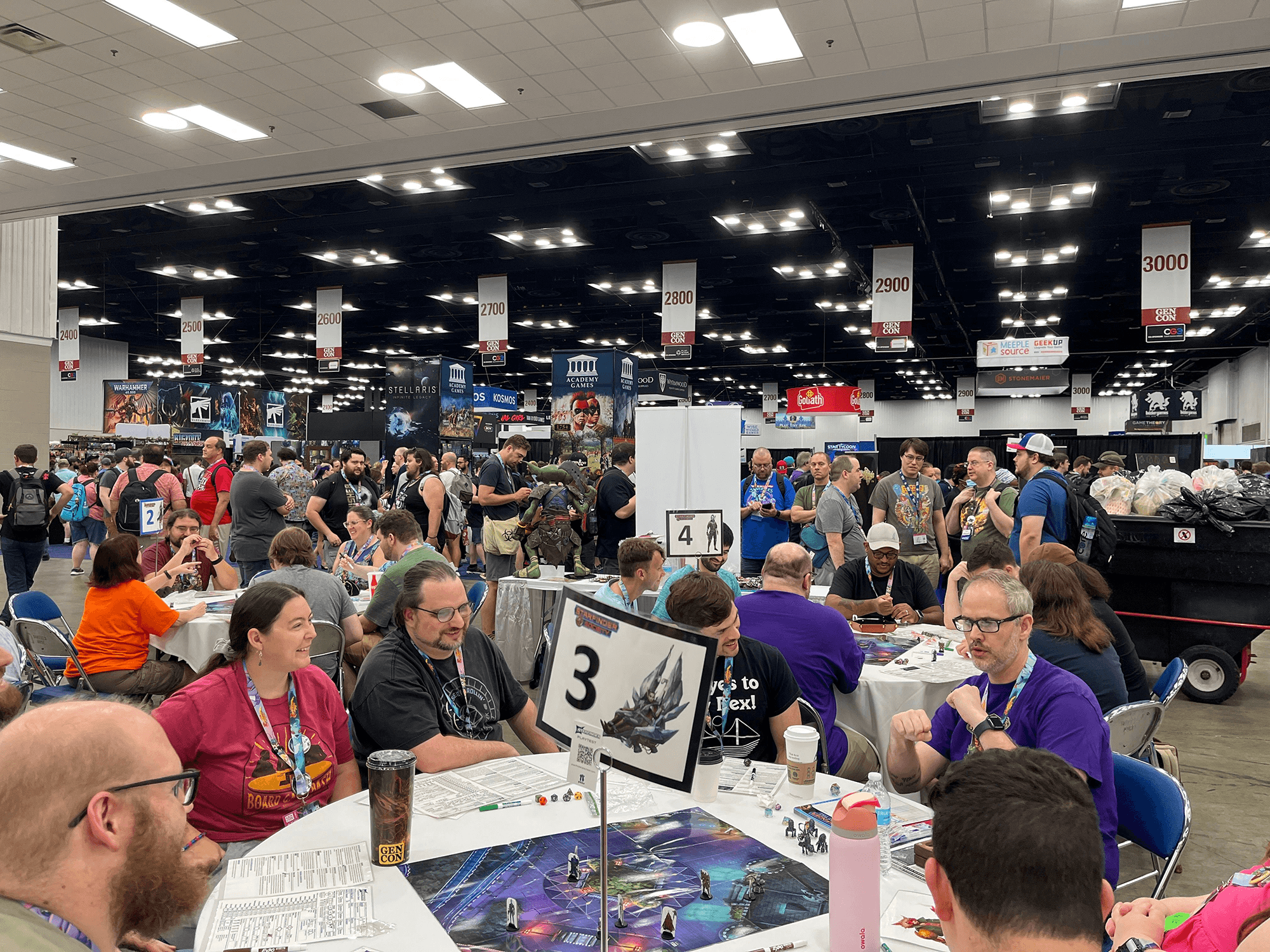
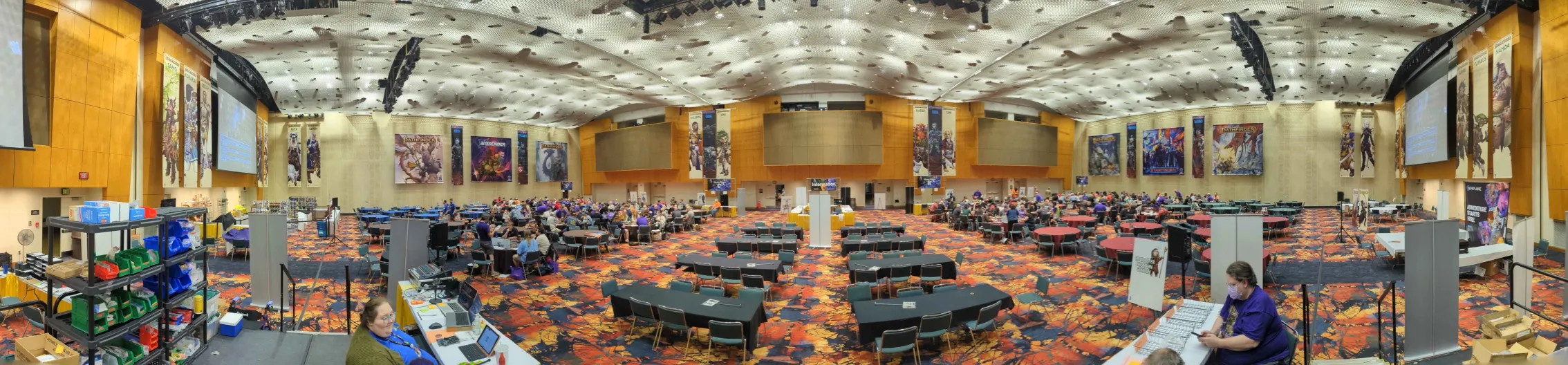
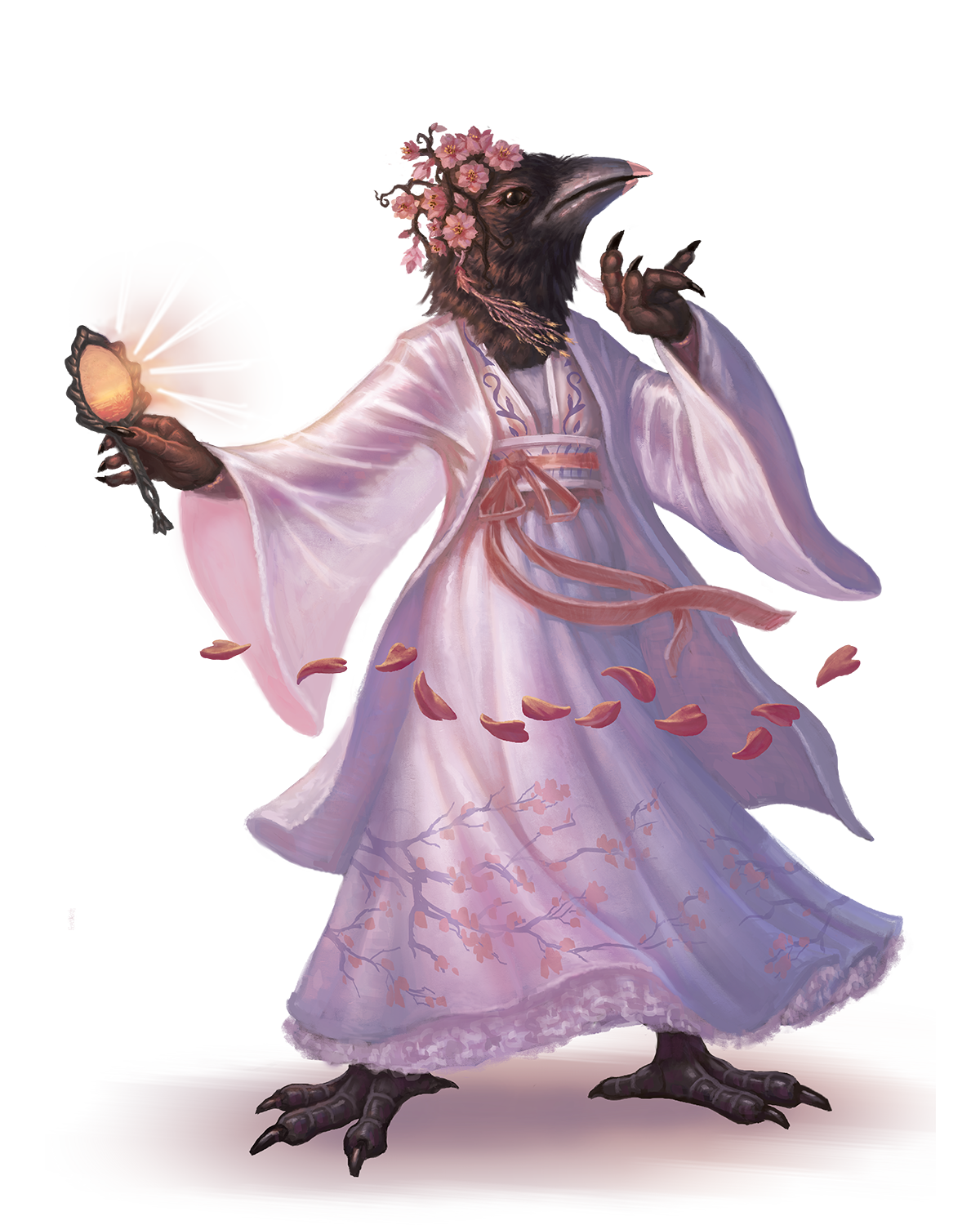
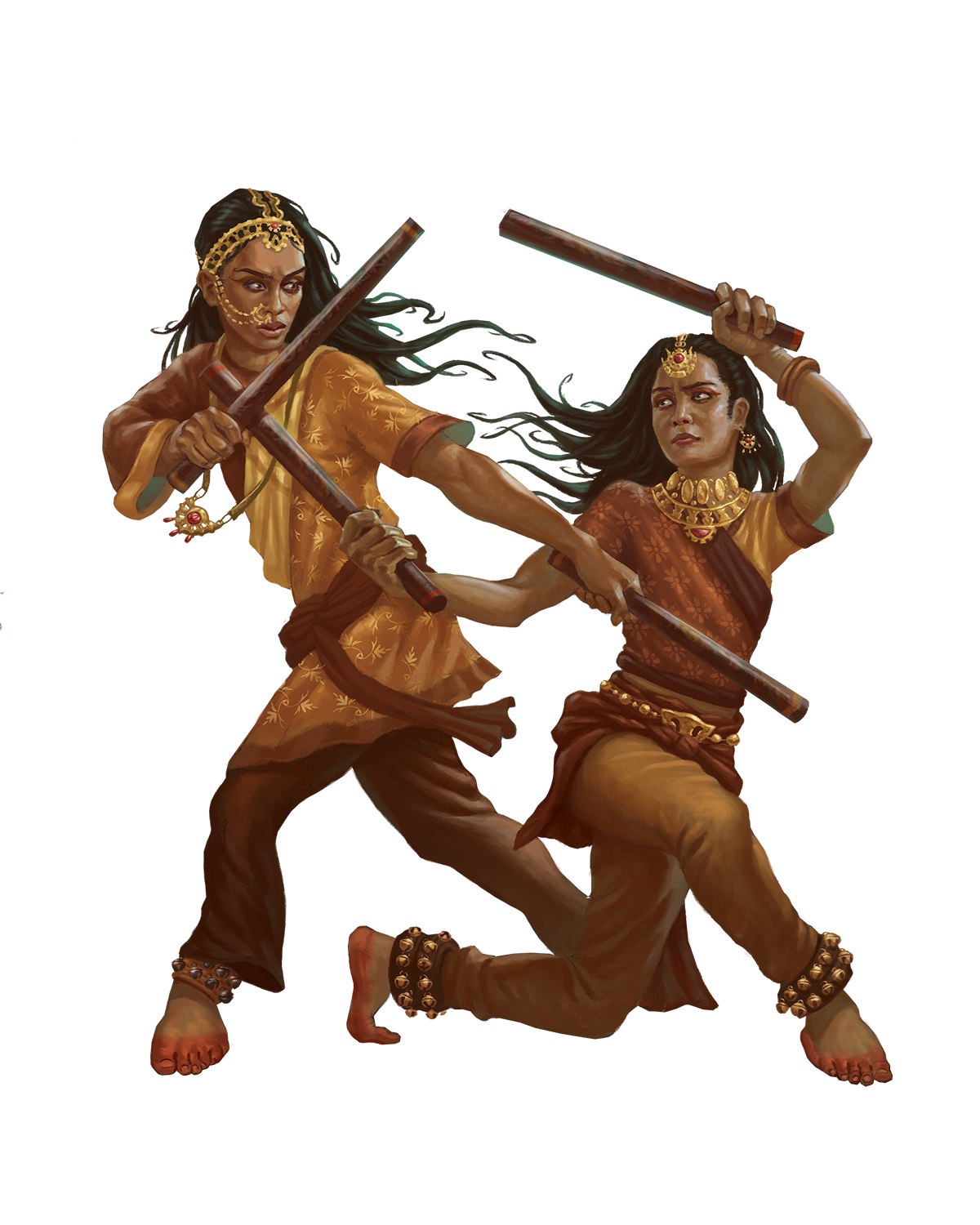
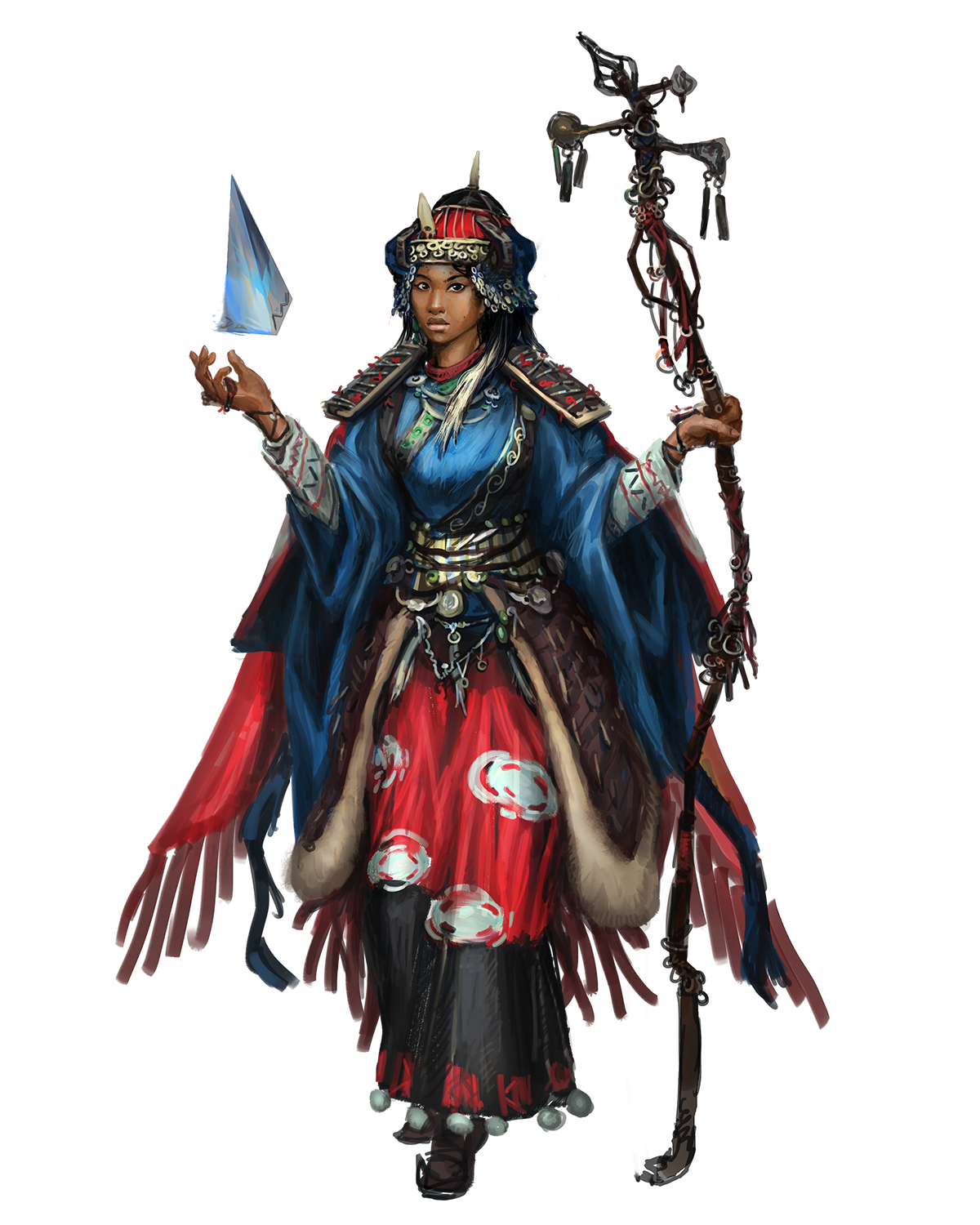
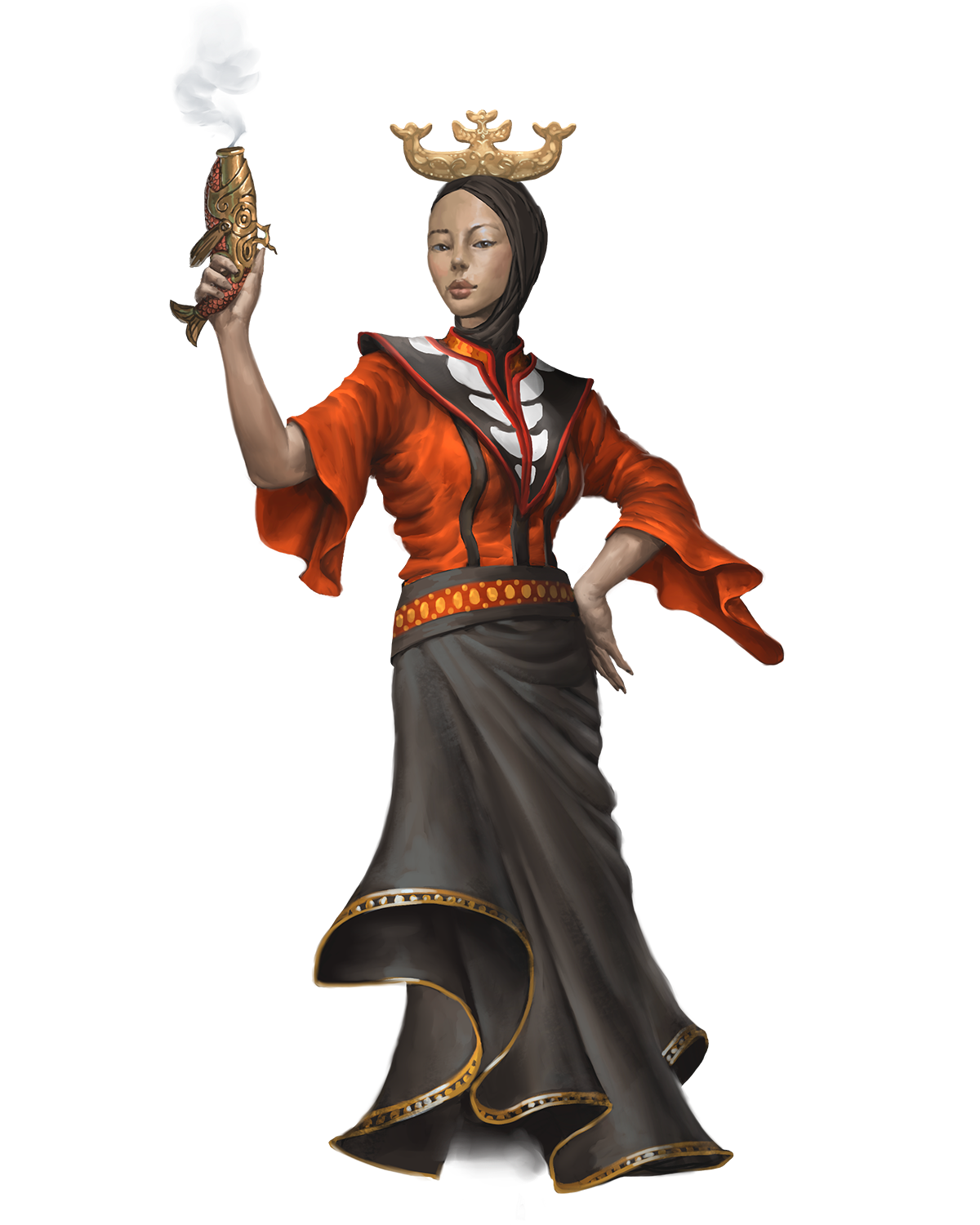
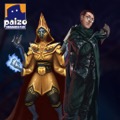
We’re back from Gen Con, and in addition to the usual scramble to meet deadlines and recovery from horrifying illnesses contracted by shaking hands with approximately ten bajillion people, that means it’s time for everyone to vote on the contestants in the Third Annual Gen Con Pathfinder Cosplay Contest!
We had an extraordinary number of contestants this year, and all of them did bang-up jobs! Yet only one can be the official winner of the grand prize (both a pile of Paizo store credit and bragging rights), which is where you come in. At the bottom of this blog, you’ll see a link for comments. Sound off and place your vote for the best costume in that thread. You have until the end of the weekend to make your selection. On Monday morning, we’ll tally all the votes, and announce the official winner in a blog post next week.
Ready? Here are this year’s fine contestants, in no particular order:
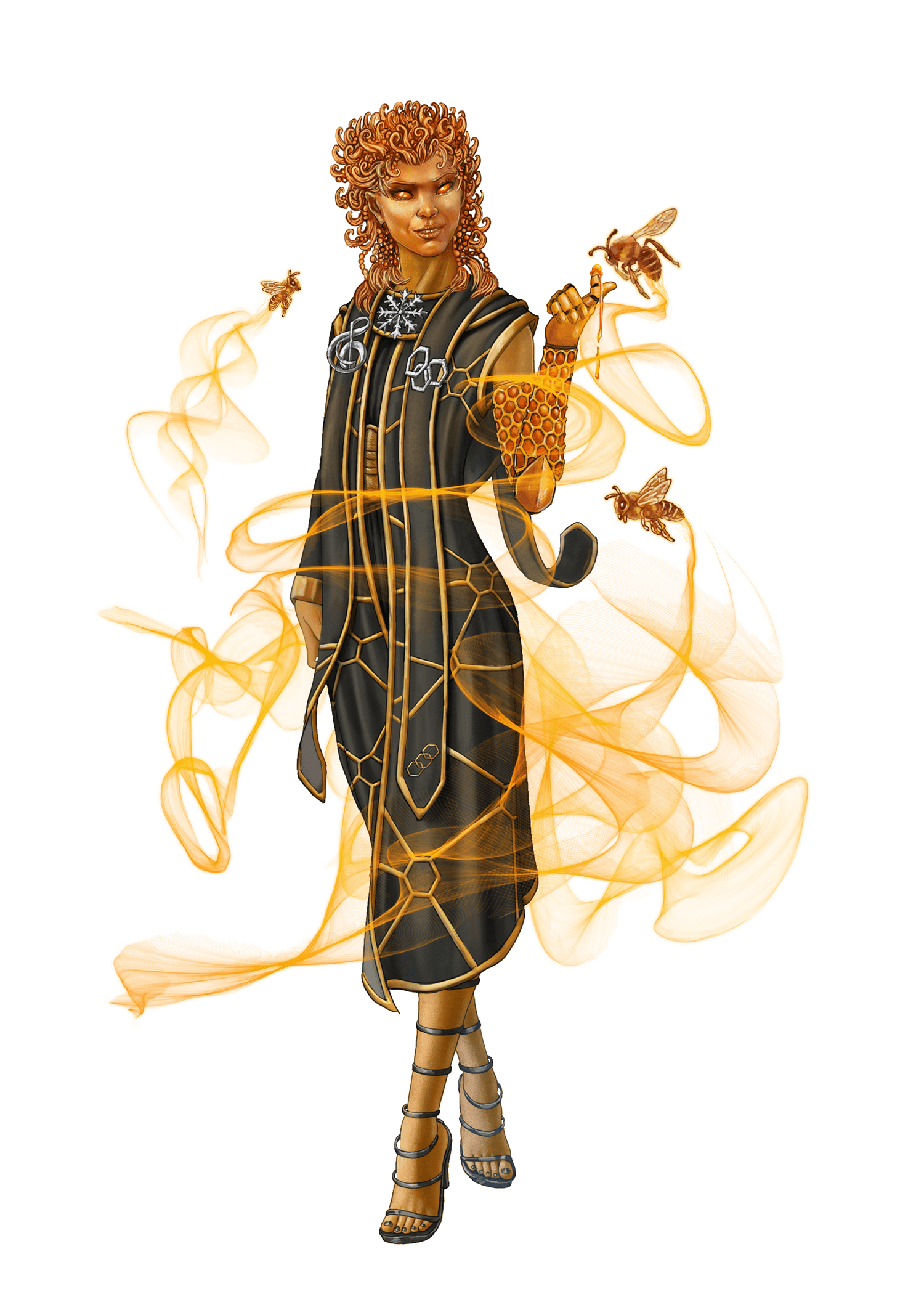
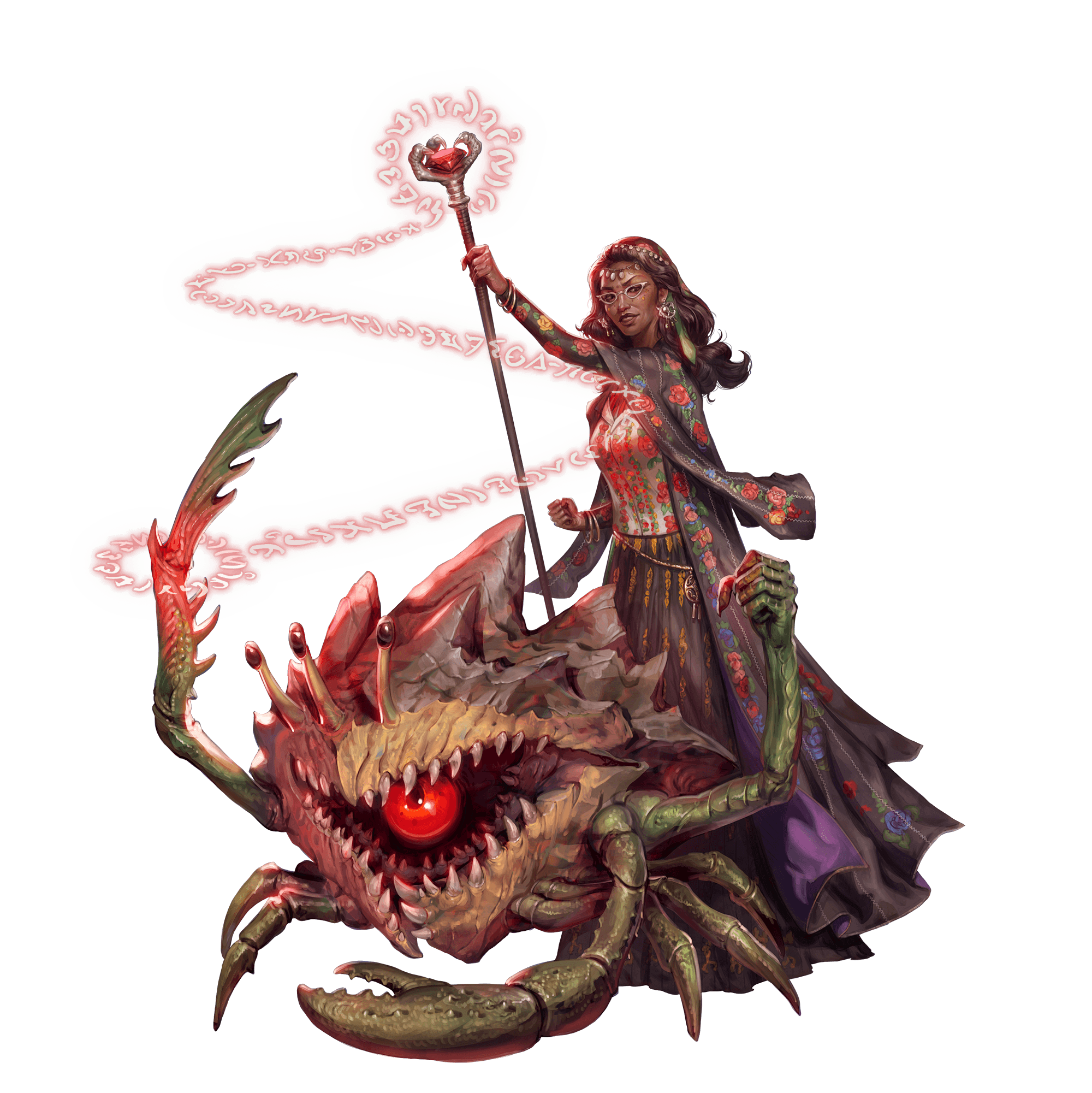
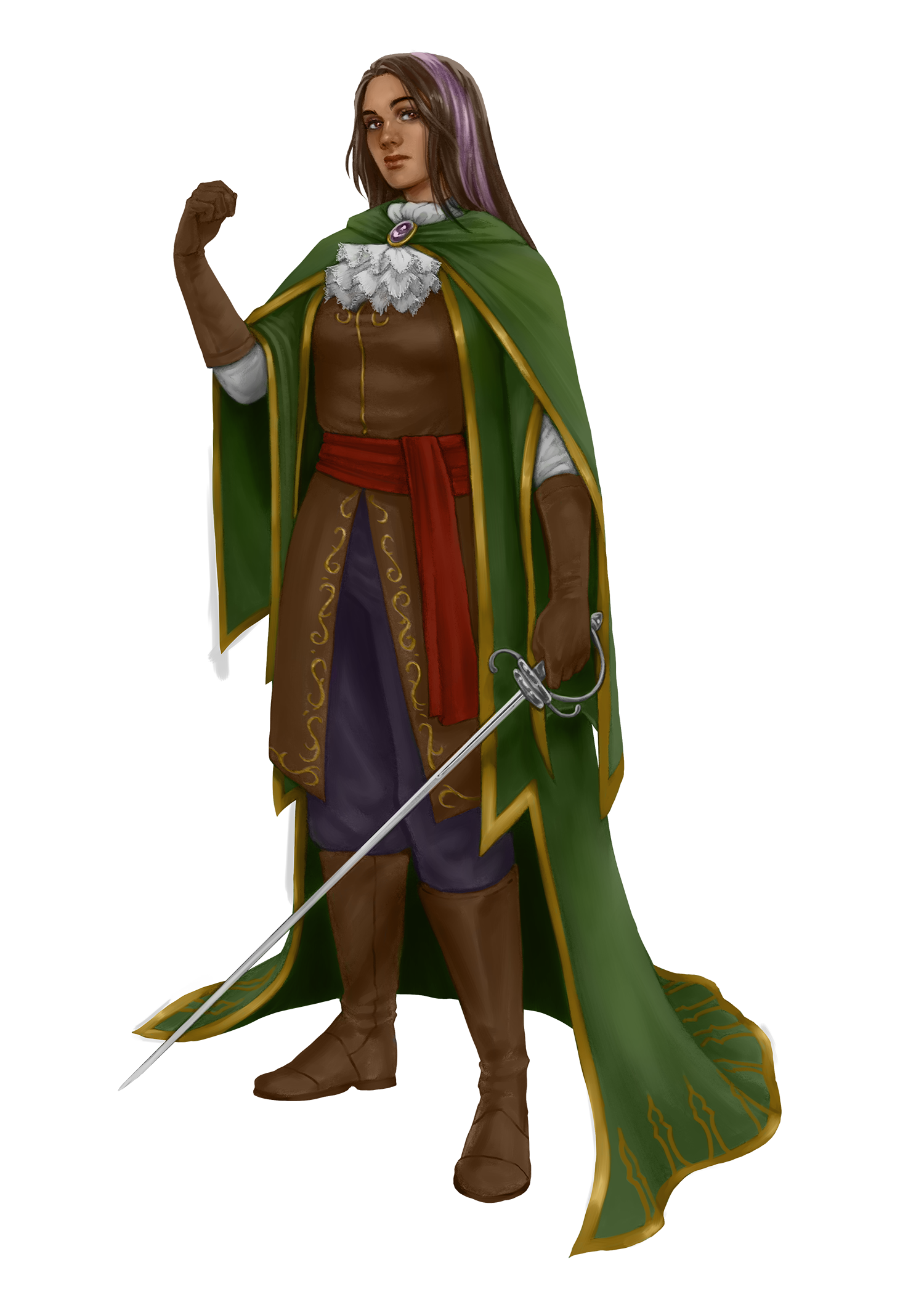
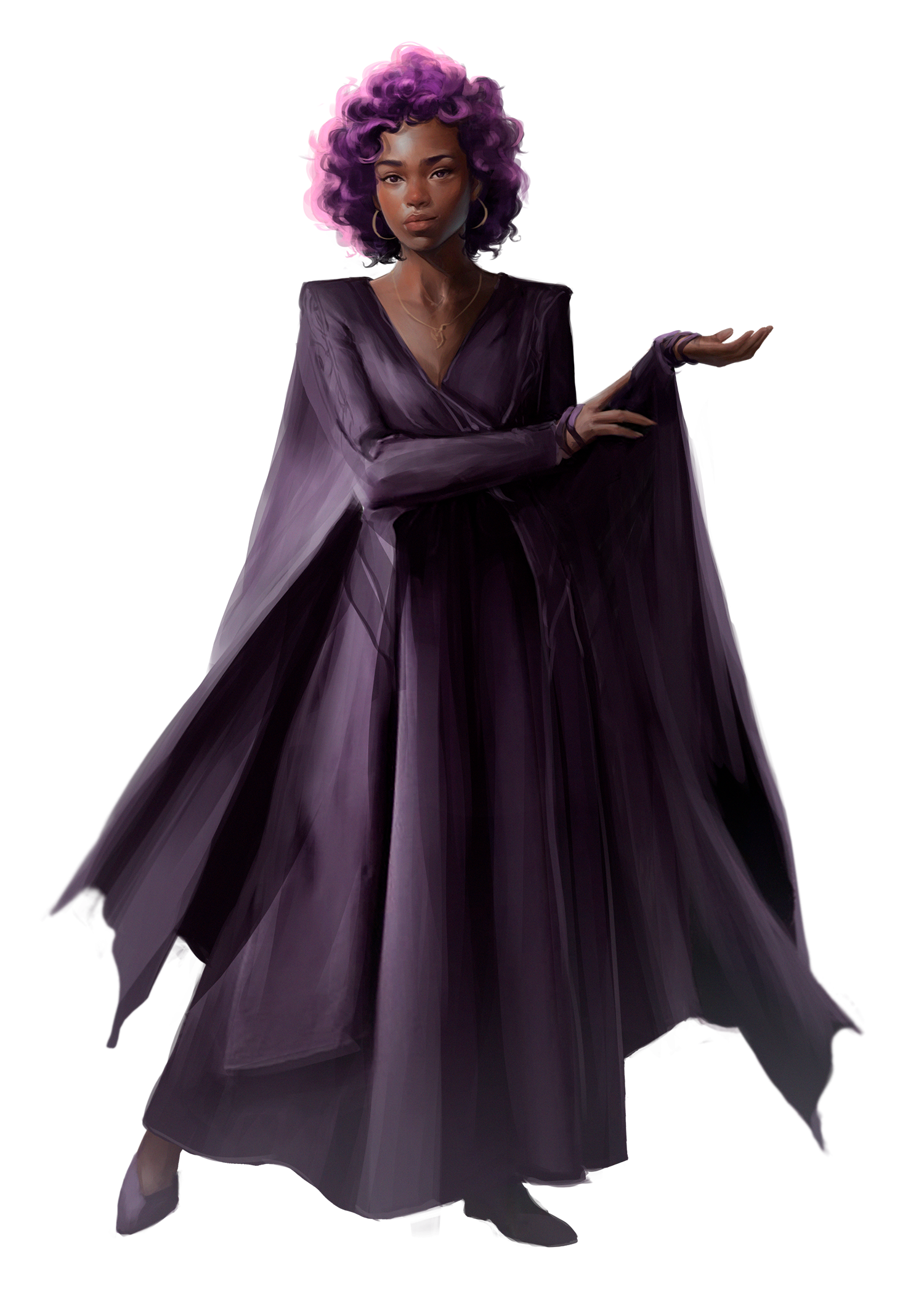
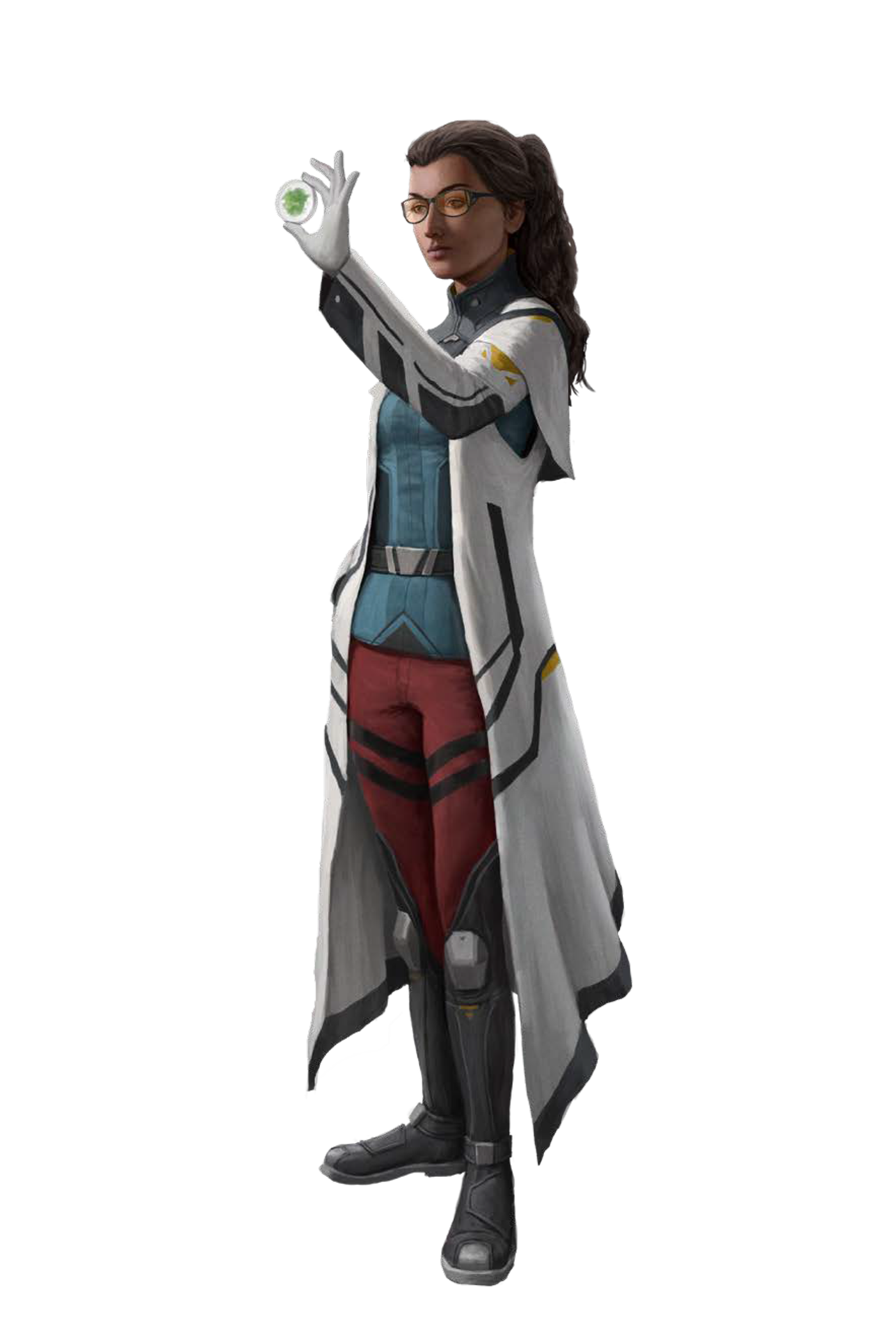
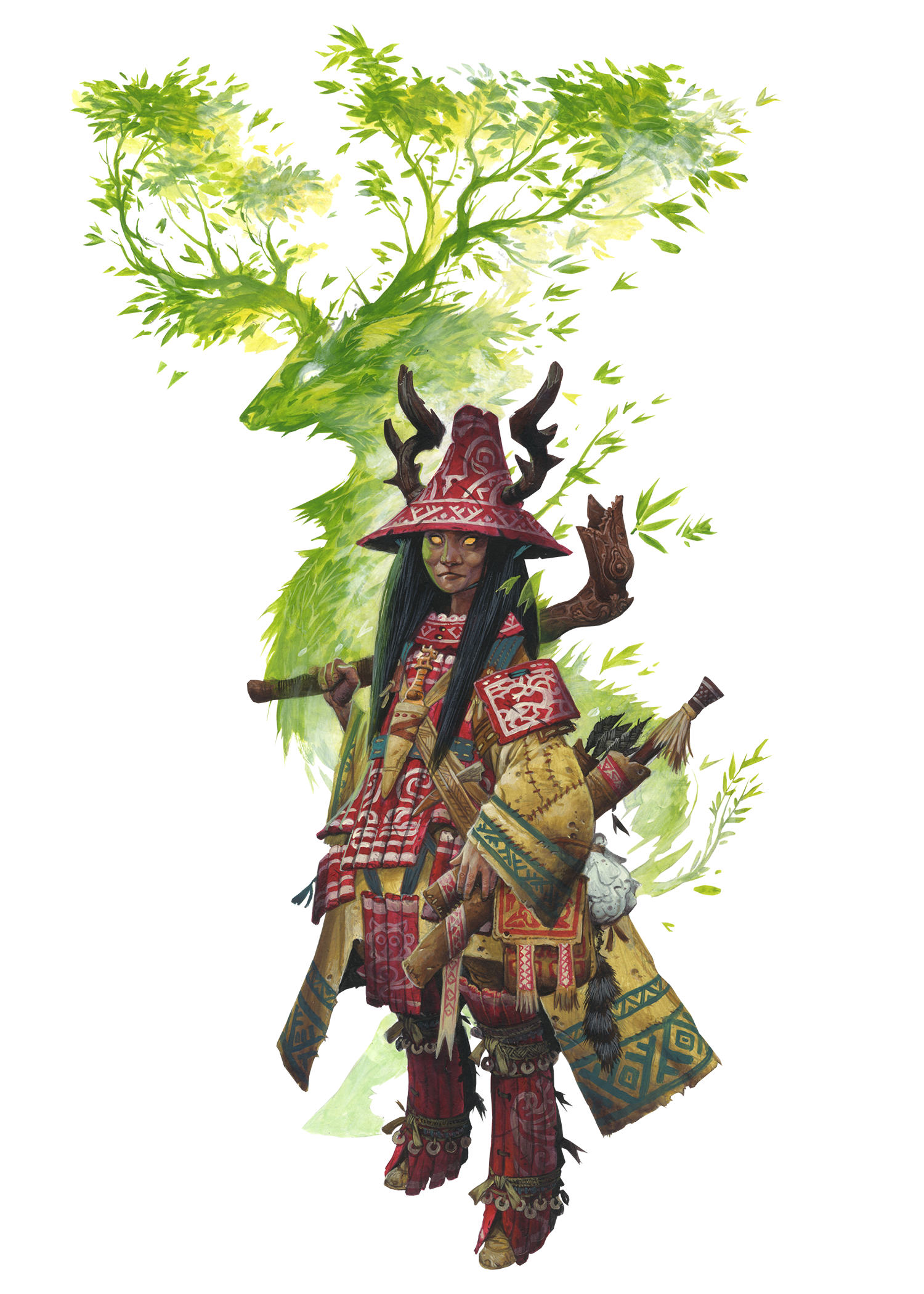
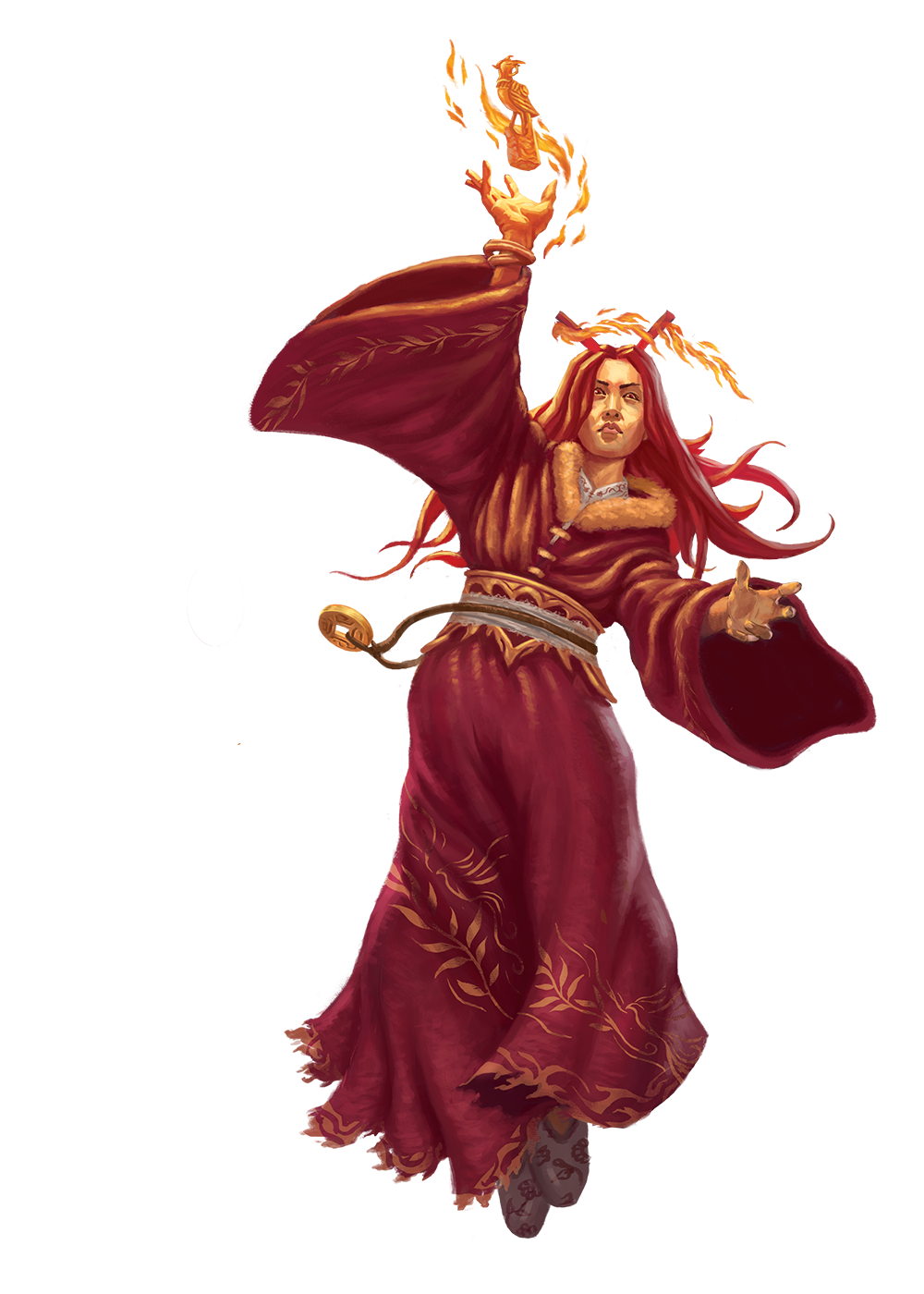
Lora as Feiya, the iconic witch.
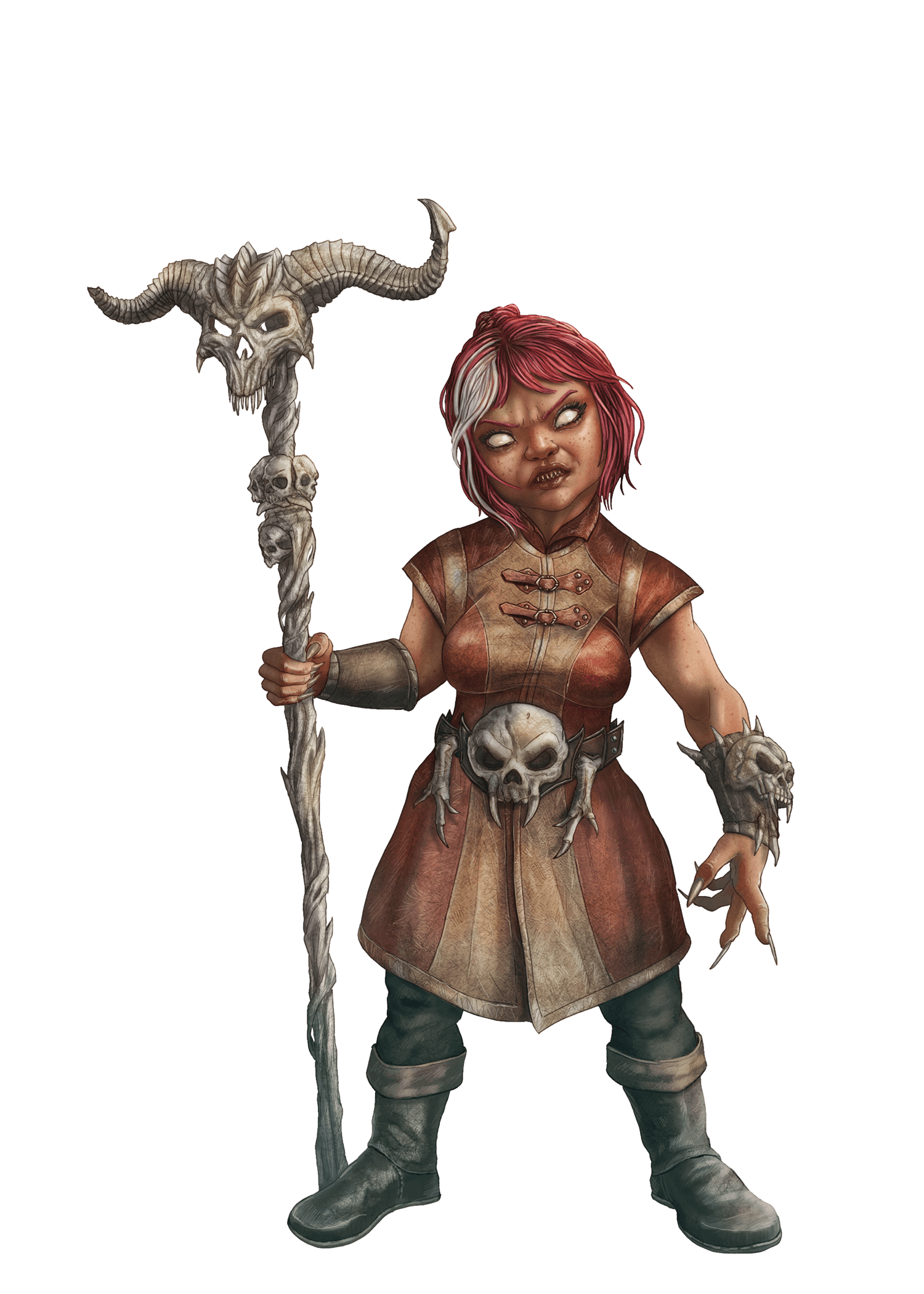
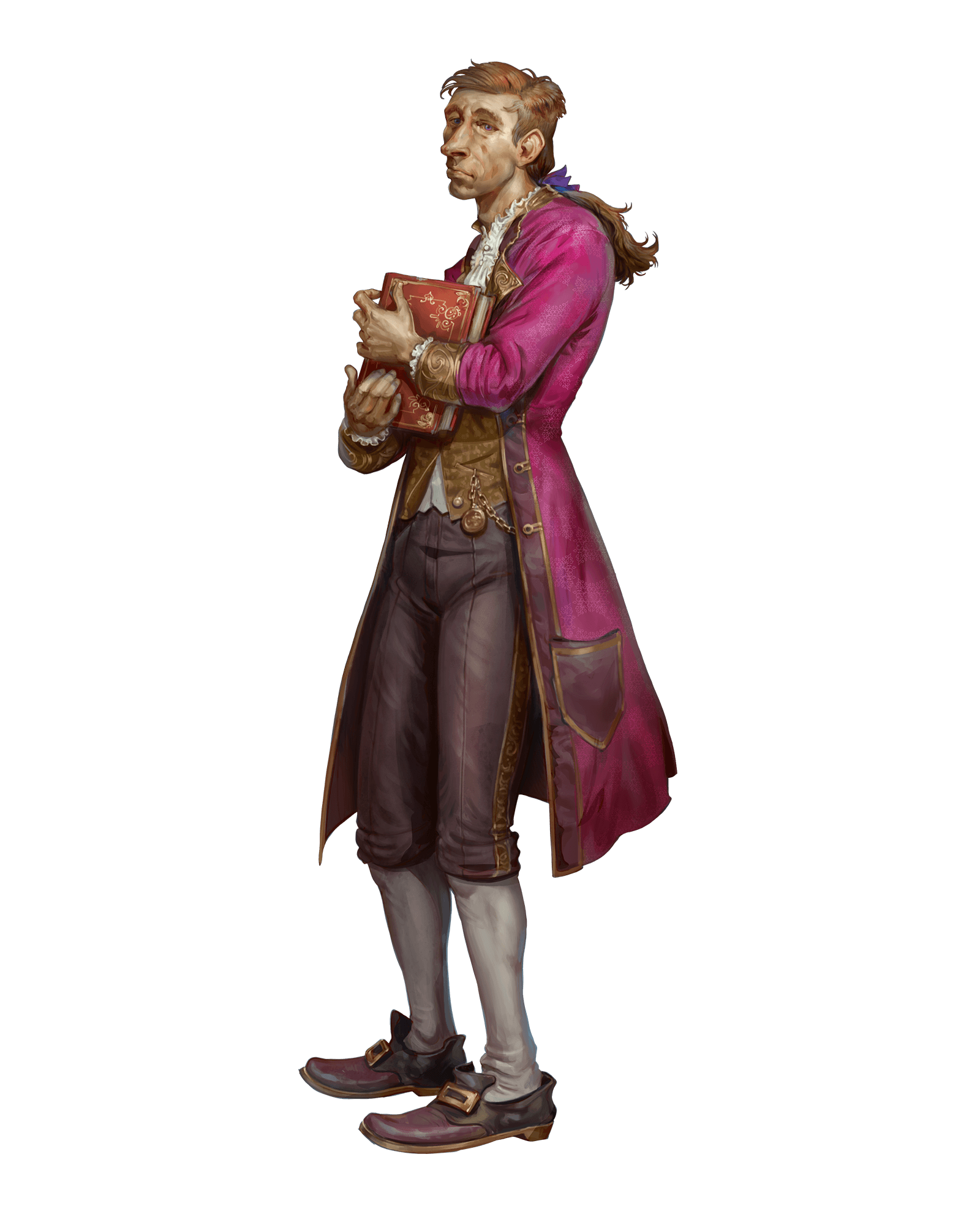
Jason as Damiel, the iconic alchemist.
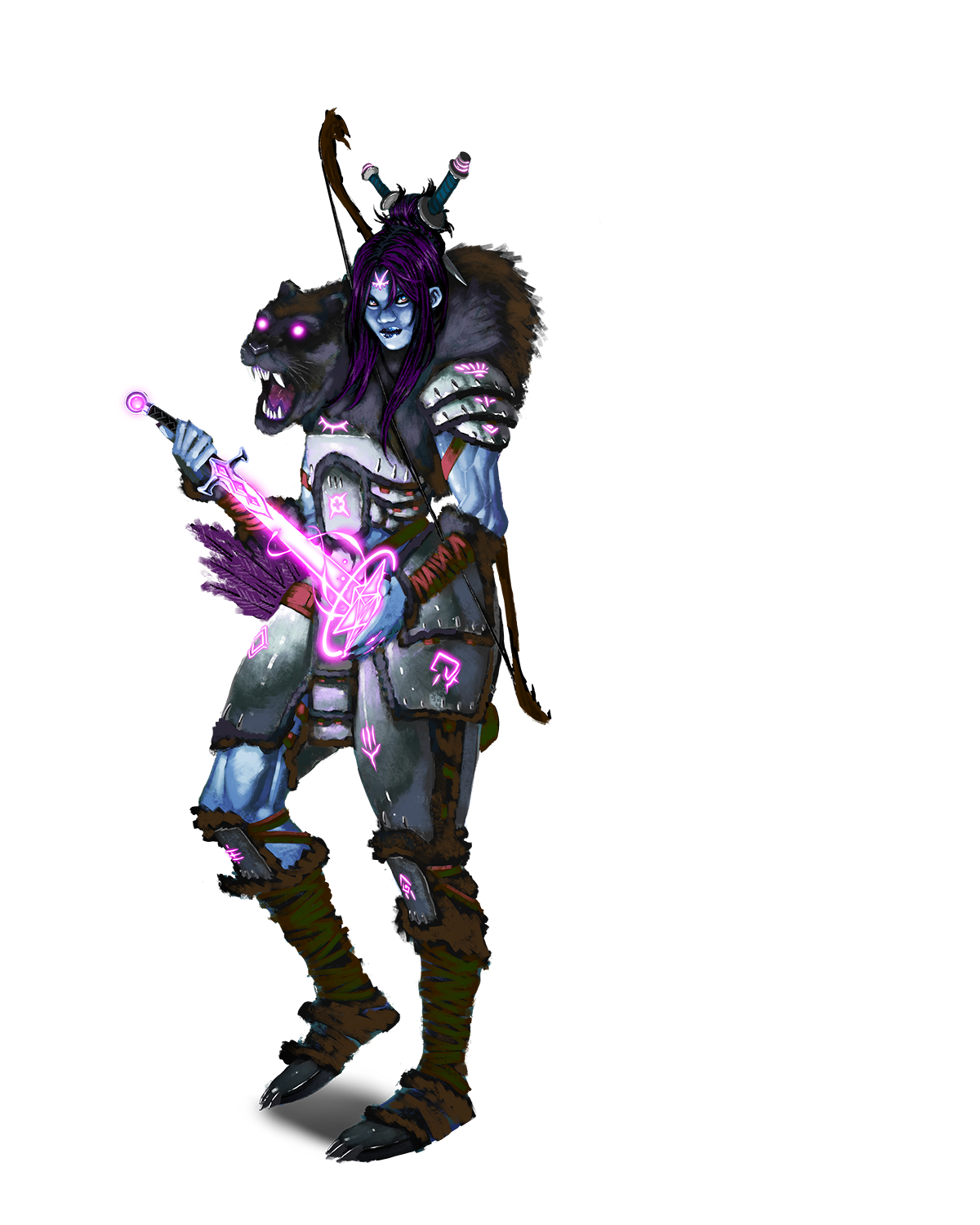
2009 contest champion Kelly as Harsk, the iconic ranger. (Maybe he’s a little tall for a dwarf, but how can you say no to a hand-made crossbow and his adorable animal companion, Biter?)
Blake as Nethys.
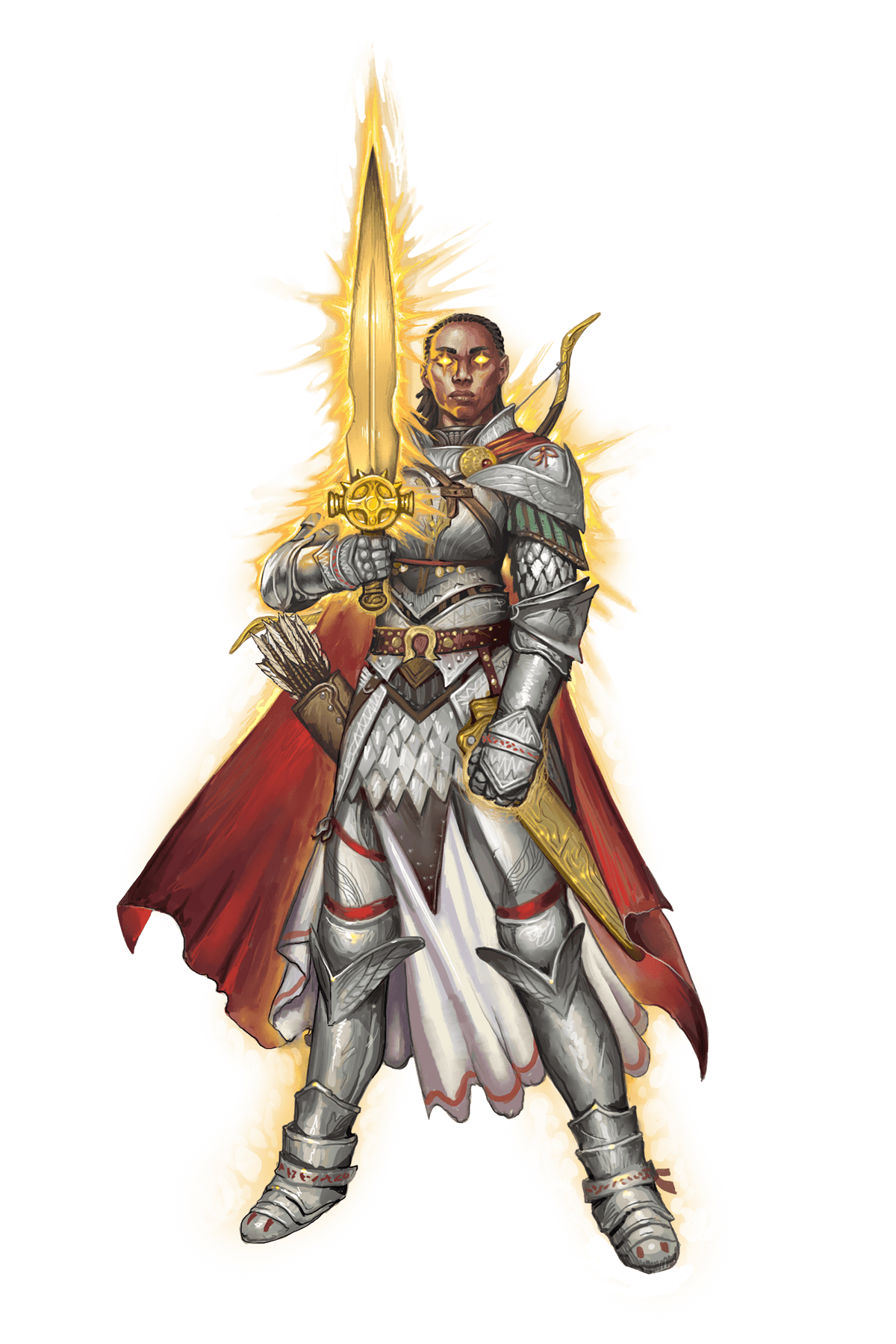
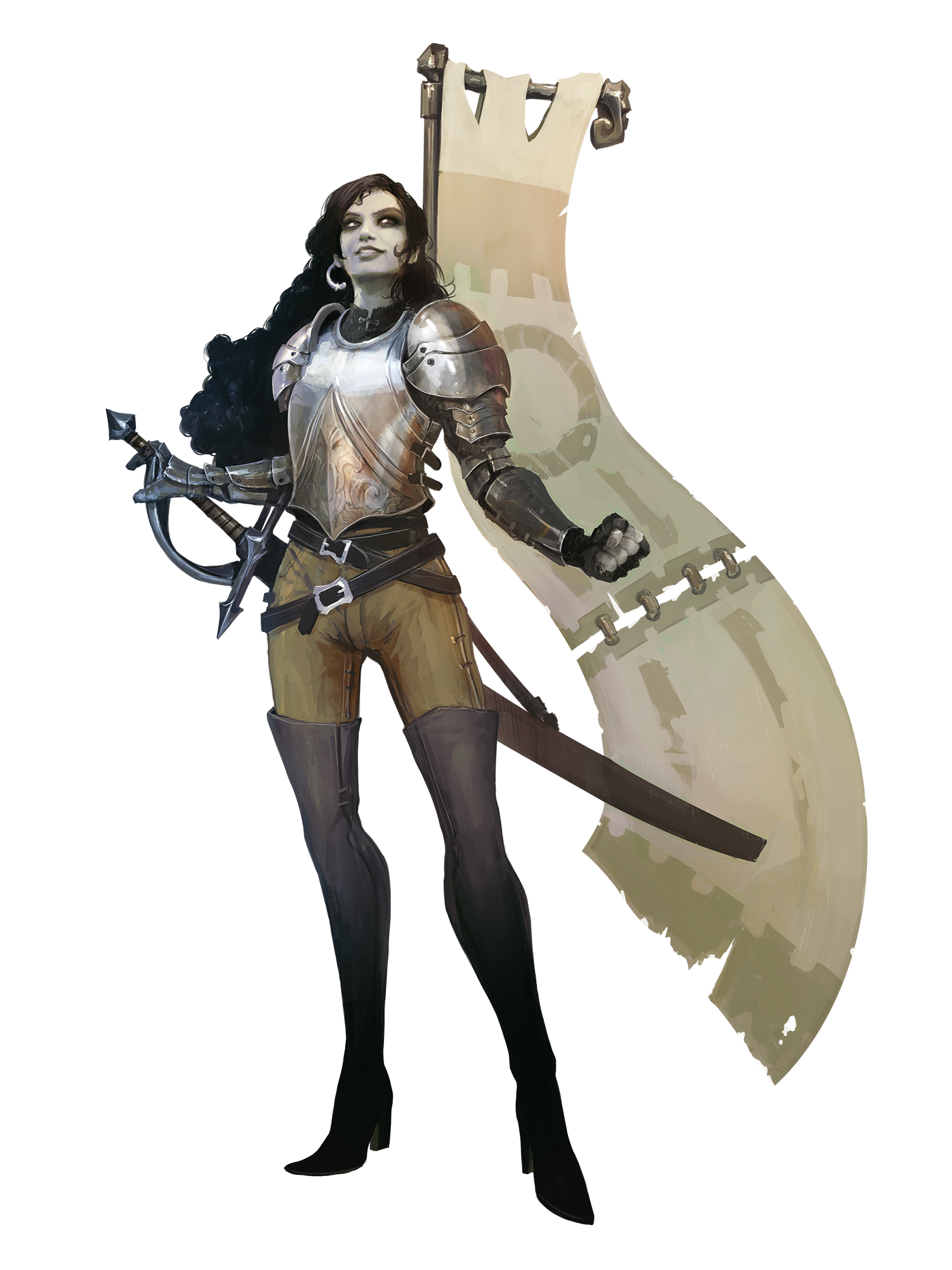
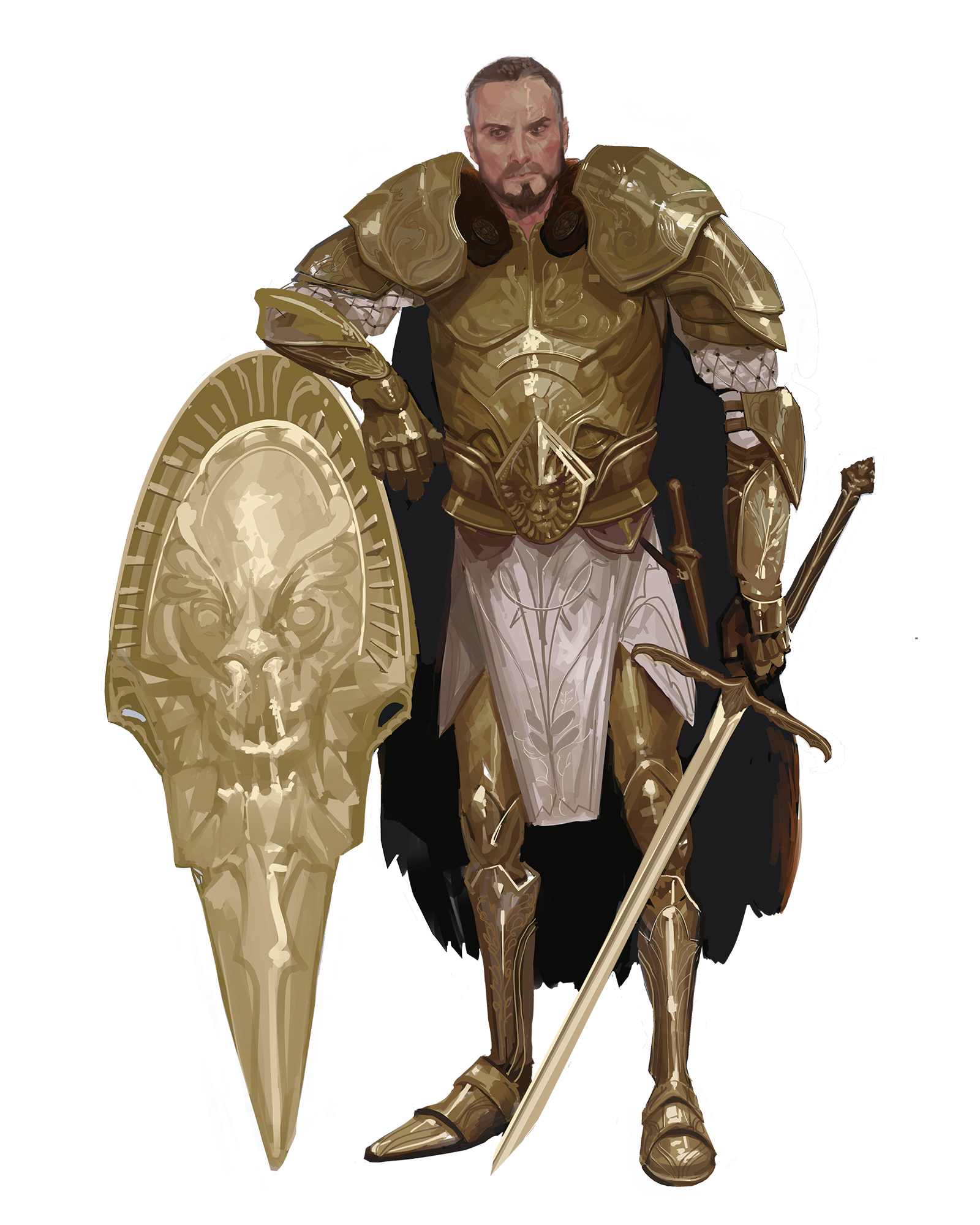
David as a paladin of Iomedae.
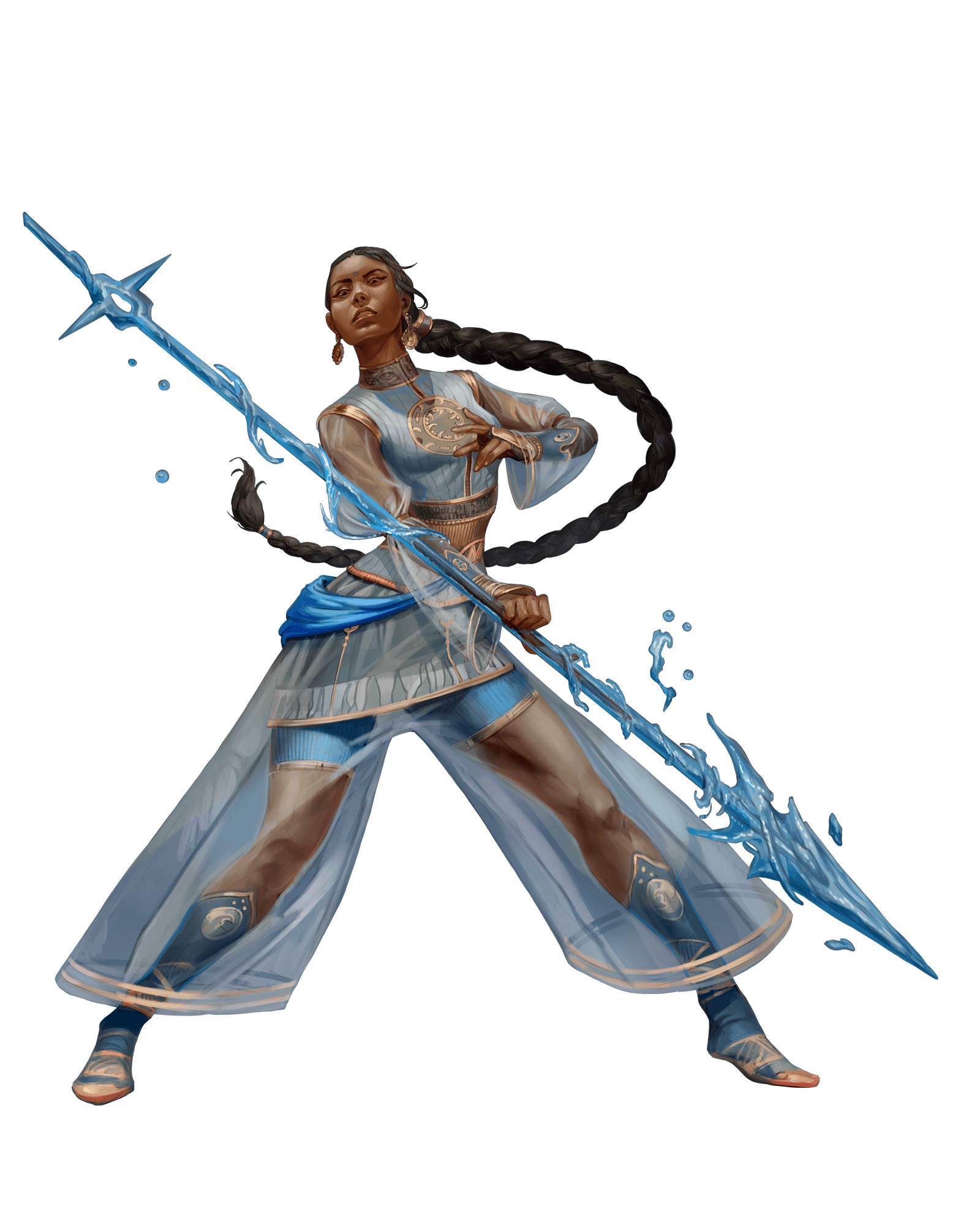
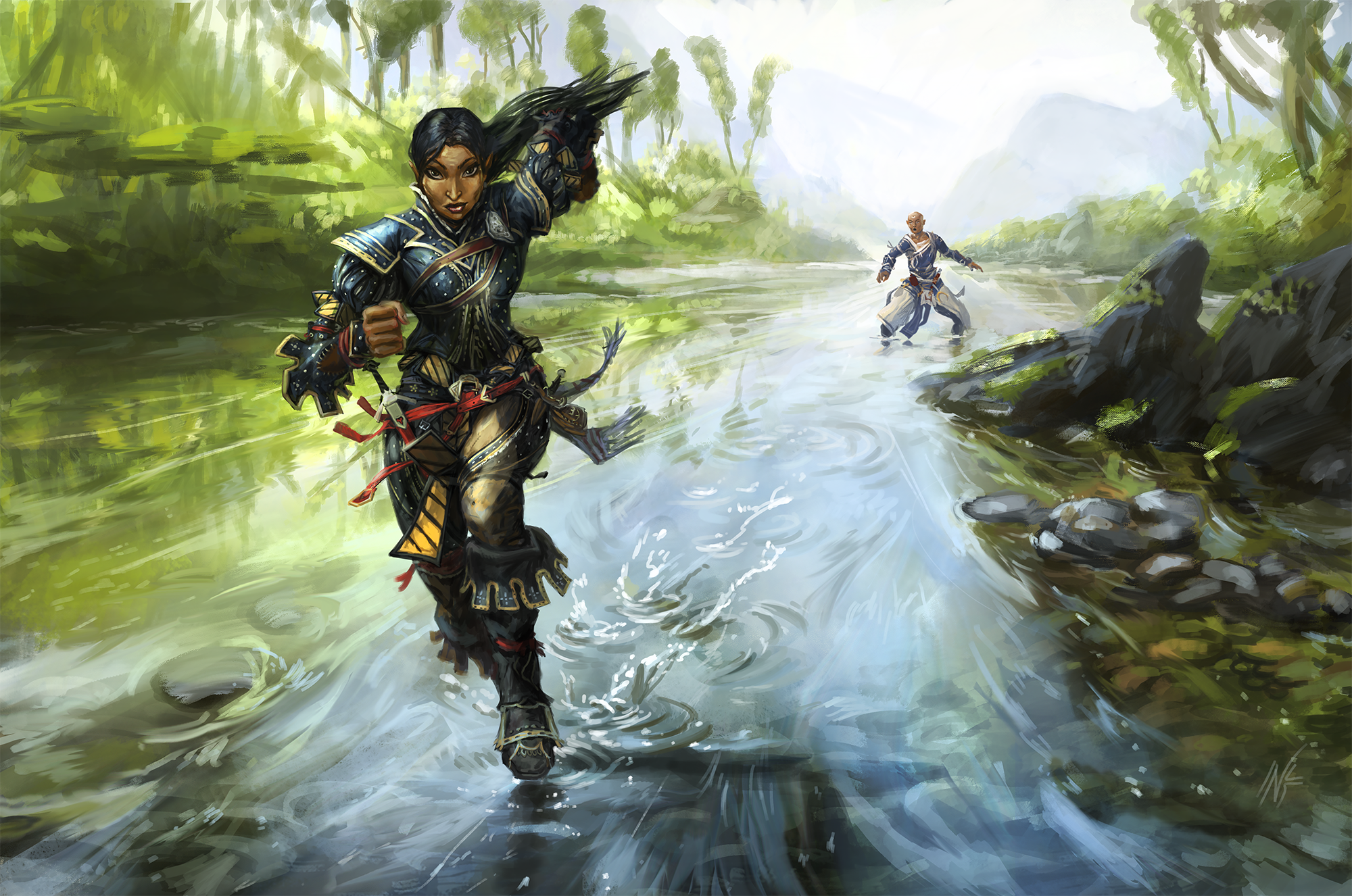
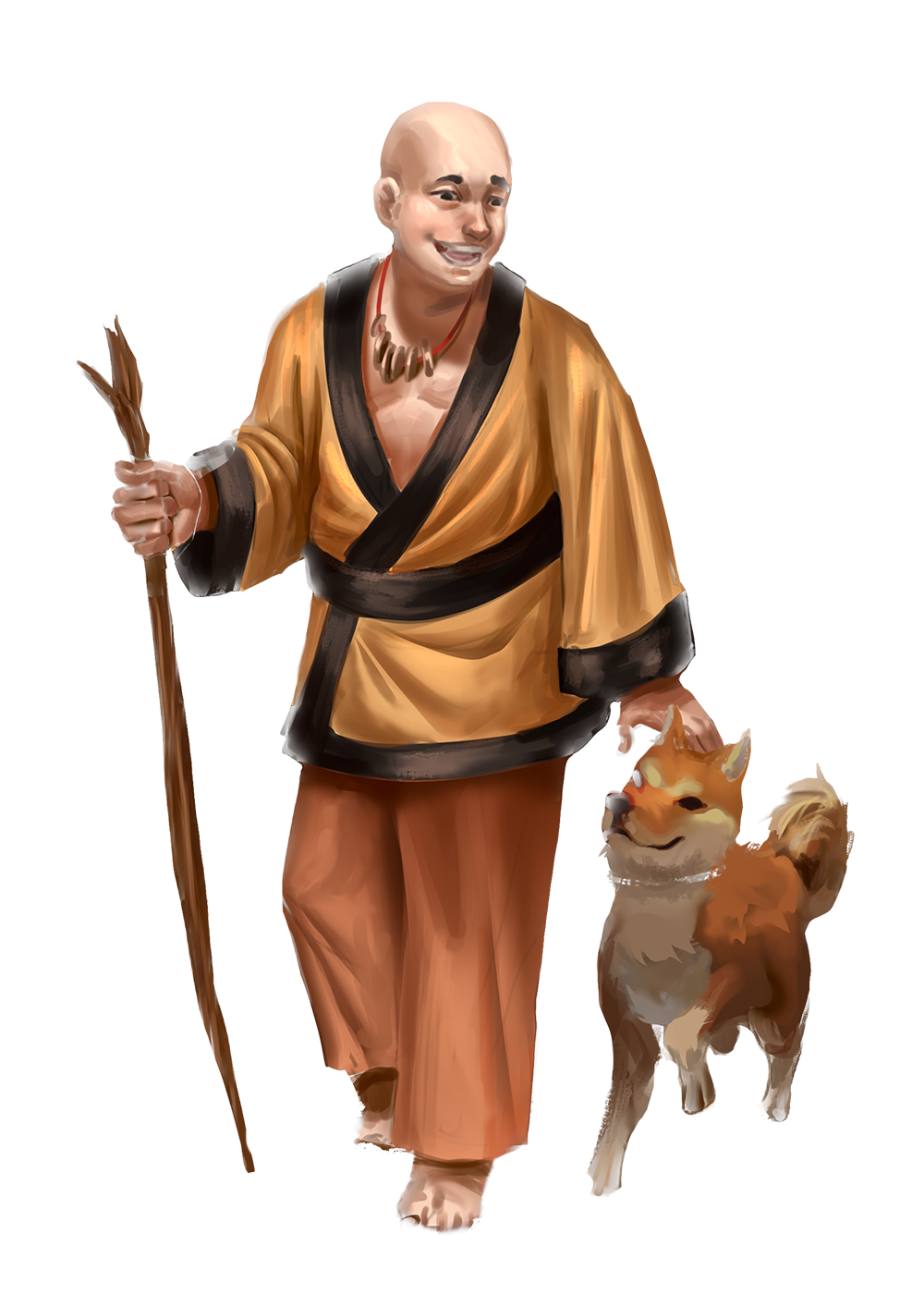
Corienne as a Tien monk.
2008 contest champion Tiffany as the Harrower from the campaign setting hardcover. (You can’t see her wayfinder here, but it came with its own ioun stone!)
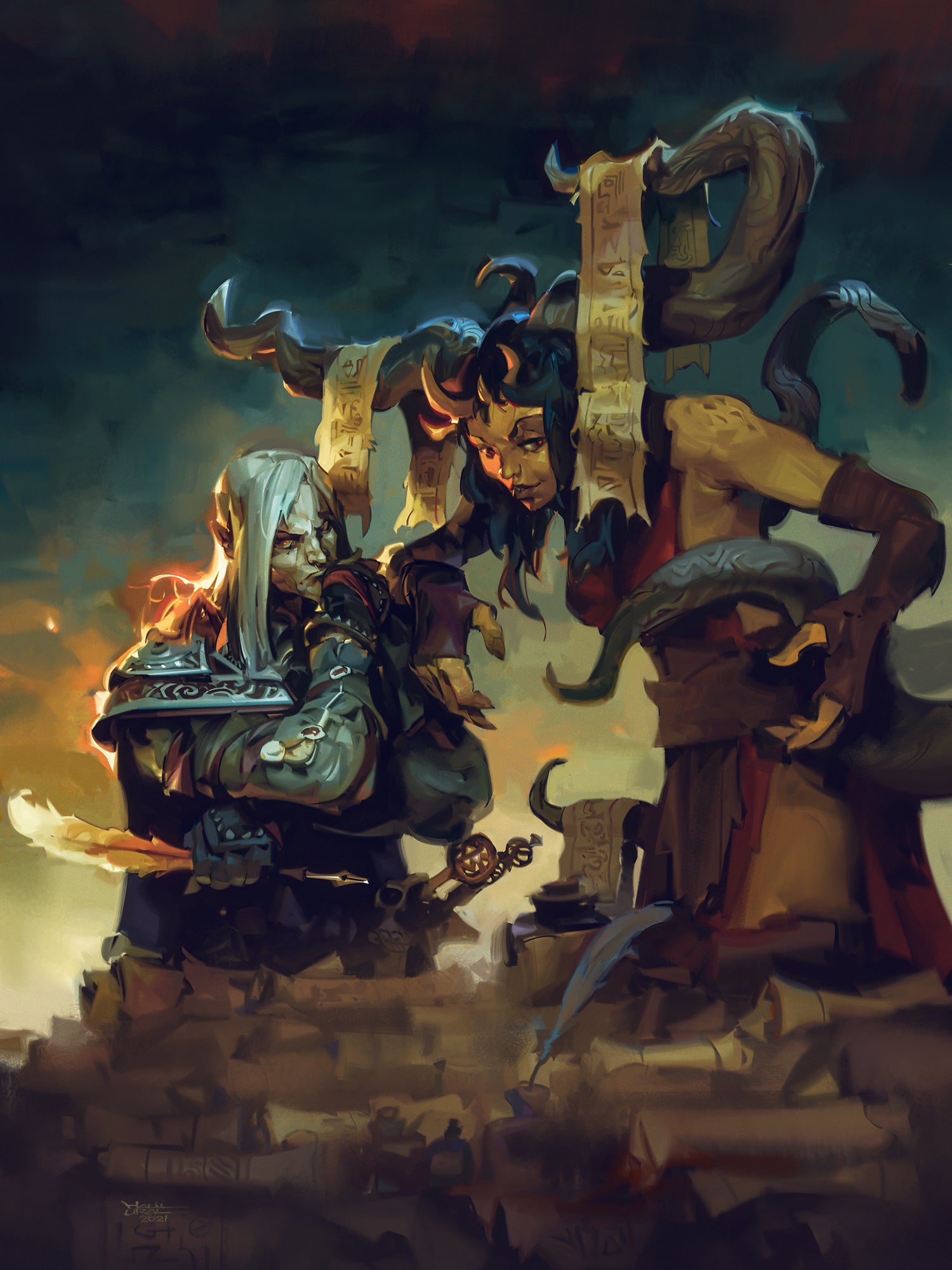
Noel as Trifaccia from Pathfinder Adventure Path #12. Look out, he's got a whip!
Honorable Mention: Jodi as Amiri, the iconic barbarian, who despite her amazing costume has removed herself from the running, on account of already being Sean Reynolds' girlfriend (and isn't that prize enough?).
In Pathfinder #10: "A History of Ashes" the players leave the city of
Korvosa for the first time and set out into the wilds of Varisia.
Check out the monsters, foes, and encounters you'll face when
traveling the wilds of the fabled Cinderlands!
The 54 cards of the Harrow do not only portend sunderings and strife. Indeed, the cards can also express creation and unity.
The Forge, for example, represents strength through great diversity. It is a test, and those who pass the test are the stronger for it. The Marriage is a union—of people, of countries, or even of ideas and thoughts. Mergers portended by The Marriage cannot be parted.
Note how both the Forge's hammer and the Marriage's crown are positioned in the middle of the left-hand-side of their respective cards. As hinted at in the past, the alignment of each icon and the icons themselves all mean something specific for the cards. Where the position of its icon determines the card's overall demeanor, the icon itself keeps score of an ability the card represents.
Harrow releases in only a few weeks. When it does, I foresee in your future years of enjoyment.
The 54 cards of the Harrow do not tell you what you want to hear. No no. They tell you what was, what is, and what will be. Sometimes, a card comes up in your reading you do not want to see.
One of the cards nobody wants is the dreaded Cyclone. This dire card expresses destruction and cataclysm. Worse yet, it symbolizes disaster wrought by thinking minds, and not the oft-random tragedies wrought by Nature.
All is not lost, however, when the Cyclone appears in your reading. At times, when it appears in specific places of the spread, this card of chaos and evil actually signifies renewal and rebirth after a blustery, trying ordeal. You must still endure suffering and tragedy, for the Cyclone never portends good tidings, but you shall survive the challenge put before you.
What other dark omens await you in the Harrow deck? Only time will tell...
Within the 54 cards of the Harrow deck live your past, your present, and your future. Like you, each card is unique and has its own story to tell.
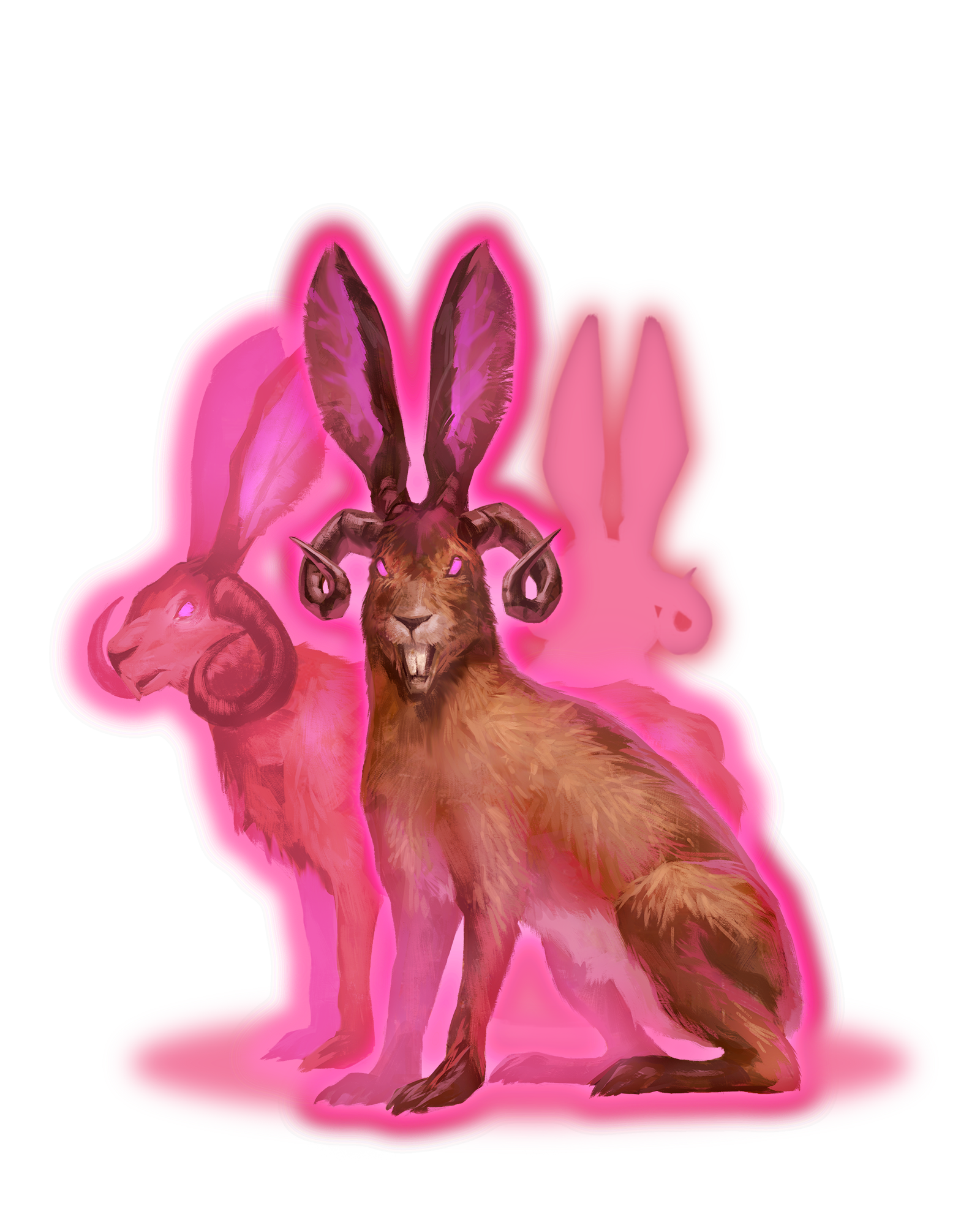
Take, for example, the Rabbit Prince. He tells stories of battle. Glorious, bloody, horrific battle, with opponents facing off in chaotic melees doing all they can to kill one another with sword and spear and axe. The Rabbit Prince relishes hand-to-hand combat and, like it, he is both quick and capricious.
Let's take a quick look at the card itself. The broken sword indicates the singular purpose of battle: to destroy. Anyone who engages in combat—regardless of courage, experience, or skill—can be maimed or killed. As a member of royalty, the prince himself can represent young aristocrats, whether royal or noble. And what meaning has the key? Does its placement on the card affect its importance?
Well, there are some things one must wait to discover. For while the Harrow knows all, it is not necessarily quick to share its knowledge...
For some time now, people have been asking us how big Golarion is, and many have had the misconception that Varisia, being our most detailed region so far, comprises the majority of our setting. Nothing could be further from the truth, and to give you an idea of scale, Jason Bulmahn has pulled out the coastal outlines of the two continents that comprise the first Golarion world map (which will appear in the Pathfinder Chronicles Gazetteer) and dropped in our maps of Varisia and Osirion (from J1: Entombed with the Pharaohs). Don't let the rough sketch fool you, though—the map itself is very close to being finished, and you can expect a load of new world-related tidbits on the blog in the weeks to come. Stay tuned!
By now, Pathfinder readers are getting to know Magnimar (detailed in Pathfinder #2). And when we launch the second Pathfinder Adventure Path, Curse of the Crimson Throne, there'll be all sorts of details on Korvosa. But what about Varisia's third city, Riddleport? While we do indeed have plans to eventually present Riddleport in greater detail, for the foreseeable future there's not going to be much about the notorious port town at the northernmost edge of the Lost Coast.
In Pathfinder #3, we'll be presenting a gazetteer of Varisia. Remember all of those names and locations on the map from the inside back cover of the Player's Guide? They all get, at minimum, a paragraph of descriptive text. Riddleport gets a little bit more—it gets a picture to go along with the following entry:
Riddleport: Varisia's northernmost port, the infamous city of Riddleport is renowned as a haven for scoundrels, outcasts, and worse. Cutthroats fill its harbor and dockside brothels, with Riddleport's officers of the law being just another gang of thieves (and hardly the most powerful one at that). Yet even in such a den of inequity and vice, scholars and historians abound, attempting to decipher the runes of the great arch known as the Cyphergate, which spans the mouth of the harbor and looms over each vessel that passes into the city. Although any progress on the inscription has been kept quiet, recent excavation hints that the massive arch might actually be just one segment of a ring that extends into the cliffs surrounding the port.
Pathfinder #1 and the Rise of the Runelords Player's Guide ship this week, and as such, we thought it a good time to unveil a sample spread from the guide. Presented here for your perusal are two pages full of new animals, local takes on the core classes, and a full chart detailing all of the core gods of our setting. So what are you waiting for? Click the image to download a full-size version and dig in!
As mentioned in previous blog posts, the Varisian region contains three prominent human ethnicities:
Chelaxian: Monument-haunted Magnimar and imperial-minded Korvosa vie for control of southern Varisia. In these cities and the numerous vassal settlements of each, the majority of the populace can trace their ancestry to the sharp-featured people of Cheliax. Those of Chelish descent possess dark hair and eyes contrasted by pale skin—along with a taste for artistic fineries and high art.
Shoanti: Across the northeastern reaches of Varisia, the seven ardent tribes of the Shoanti make their homes. A turbulent people adhering to traditions unchanged in hundreds of years, these natives live harsh lives, preying upon predators and eking what they can from an unforgiving land.
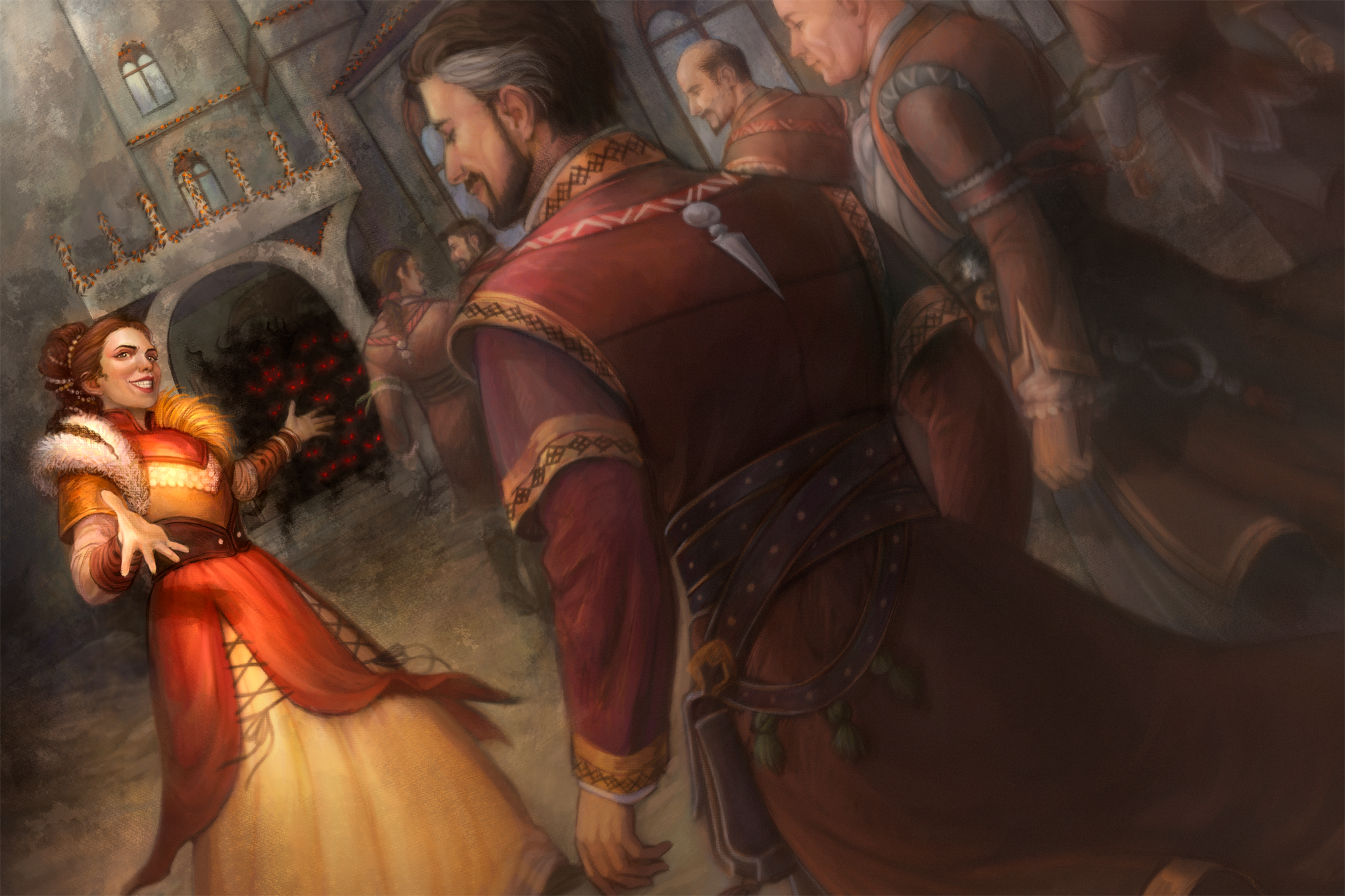
Varisian: Passionate and fiercely independent, Varisians (shown in the sketch presented here) lend their name to their homeland. While these clannish wanderers can be found in many lands, nowhere are larger populations found than in the land of their ancestors.
Insular and adhering to an ancient, nomadic way of life, extended families of Varisians form wandering communities, traveling wherever fate directs them. Varisians don't believe in claiming land and thus see no hardship in their nomadic lifestyle. While nature provides for most of their needs, these wanderers often visit the cities and towns of settled people to trade art and curios from their travels, earn coin by entertaining and performing small jobs, and sometimes to con and steal from the unwary—a practice indulged often enough to make Varisians widely distrusted and unwelcome by those not of their society.
The typical Varisian possesses deep olive skin and hair that ranges from black to auburn, often worn long by both men and women. Customary tattooing leads most to exhibit complex patterns and symbols significantly different from those worn by the Shoanti who share their homeland. As wanderers and often entertainers, Varisian dress tends toward extremes, from functional garb fit for traveling to wildly impractical dress meant to accentuate their dancing, exotic tattoos, and naturally fit forms.
Presented here for the first time, in all its glory. We could say more—and believe me, we will—but for now we'd like to let Rob Lazzaretti's beautiful map speak for itself. To zoom in, click the image above.
Since we just got in some great rough sketches of notable Varisian landmarks courtesy of Andrew Hou, we thought we'd introduce you to some of Varisia's more infamous adventure sites. Presented below are but a few—look forward to more in the upcoming Rise of the Runelords Player's Guide.
Bloodsworn Vale: A fey-haunted pass to southern lands which played an integral role in Varisia's break with the crumbling empire of Cheliax.
Celwynvian: The doom-haunted capital of the Mierani elves, abandoned by its people.
The Face Pyramid: A great, timeless stone edifice rising forth from the Mushfen's murk.
Hook Mountain: A peak of dark repute, bent to resemble a colossal hook and the ancestral home of several tribes of inbred, brutish ogres.
The Mobhad Leigh: A vast and deep pit, which the Shoanti say has no bottom.
Riddleport: A depraved and lawless city whose ancient harbor bears a massive, rune-carved arch.
The Storval Stairs: Titanic steps cut into the face of the Storval Rise, the cliff face separating the lower half of Varisia from the eastern plateau.
Viperwall: The Citadel of Snakes, its walls of carved serpents endlessly leaking a venomous gas.
Kaer Maga: A city built inside the ruins of a single great structure of unknown function, perched atop the Storval Rise and renowned for its anarchic population of squatters and outlaws.
Hot off the server come three of the latest Pathfinder sketches, this time for the Rise of the Runelords Player's Guide. See what Player's Guide author Wes Schneider has to say about each of them:
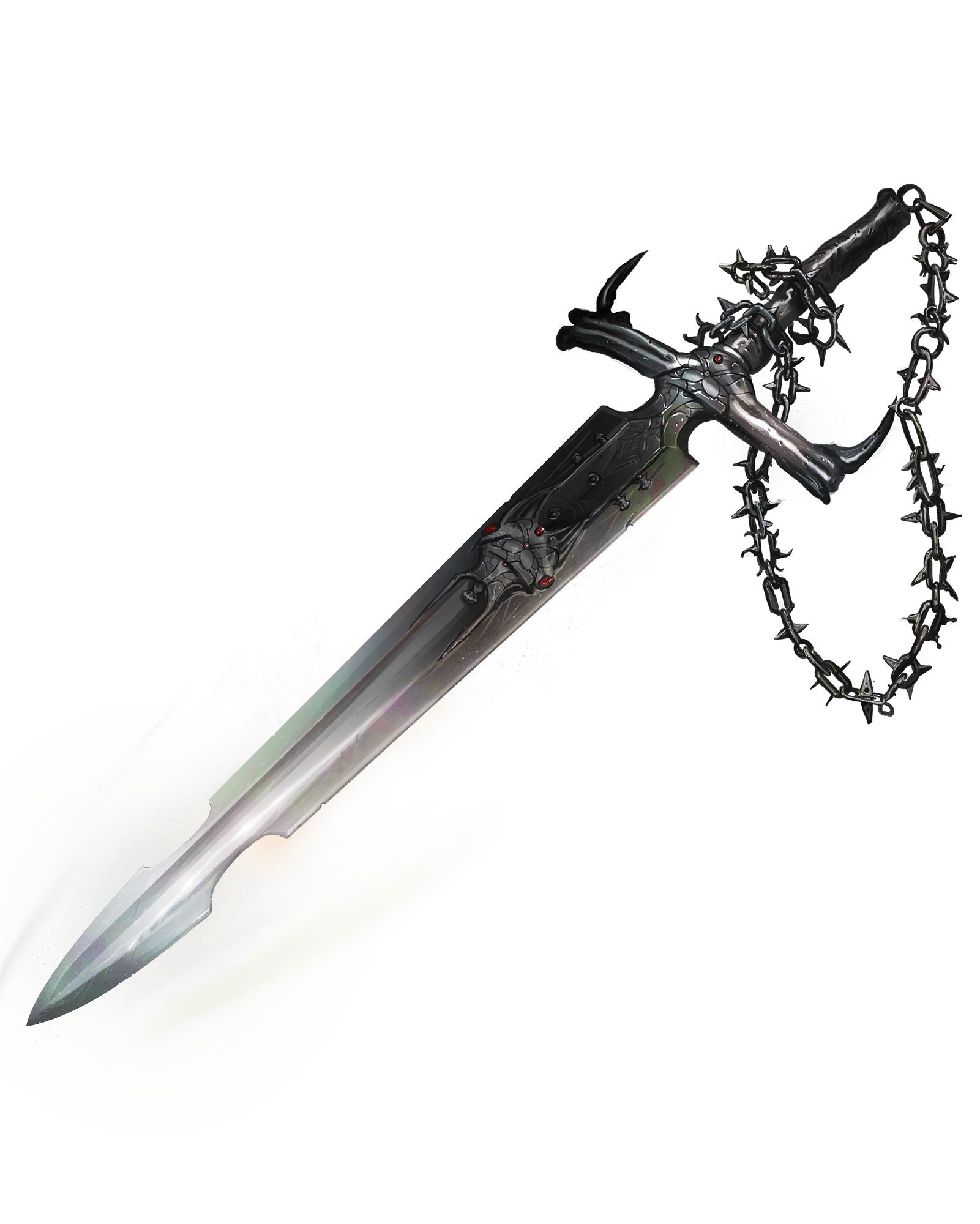
Dog Slicer: A savage weapon created from castoff bits of sharpened waste metal, goblins named these small swords after the act for which they're most commonly employed. Holes drilled in the blade make them easier to heft by enthusiastic but weak-armed murderers. Most dog slicers are size Small.
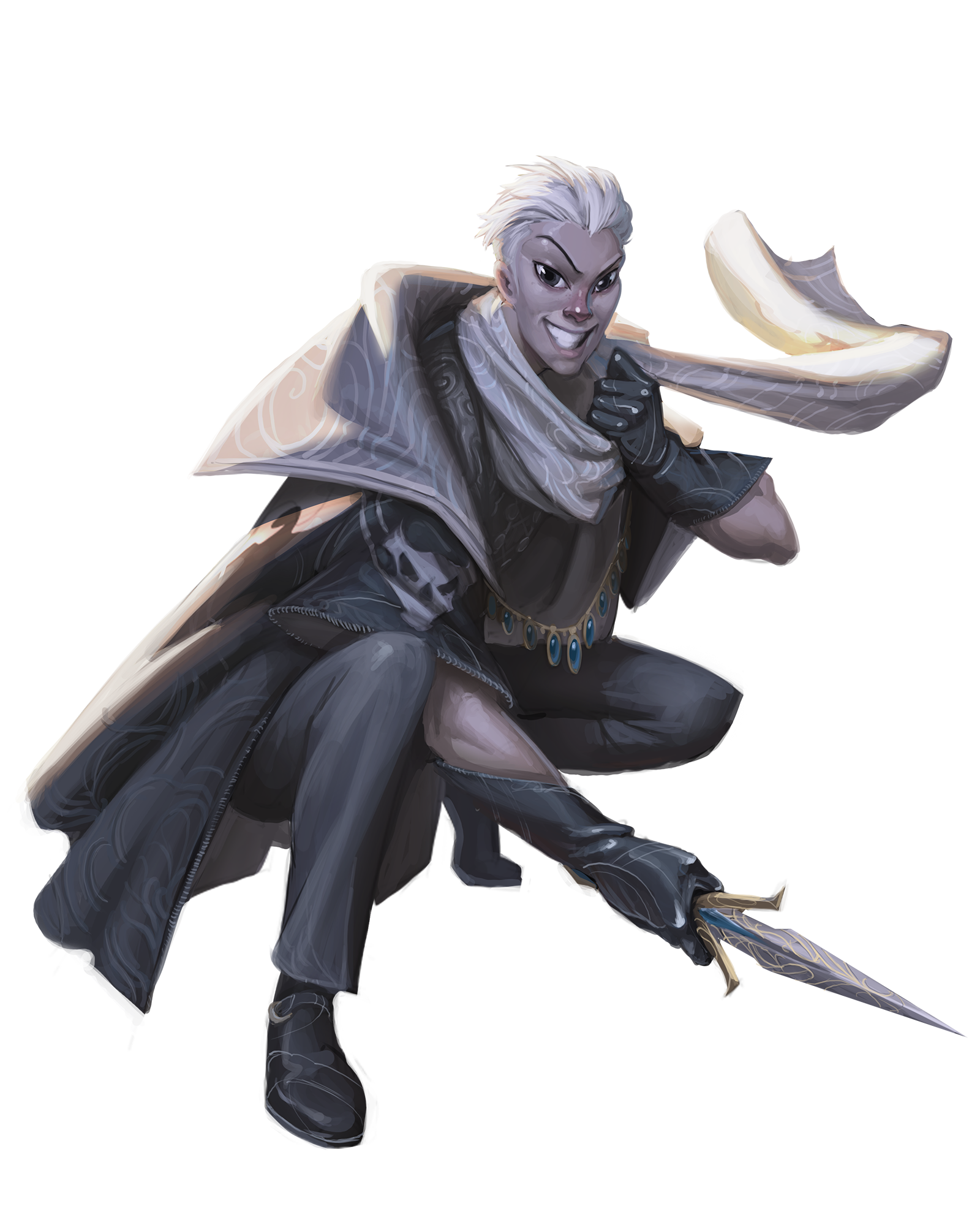
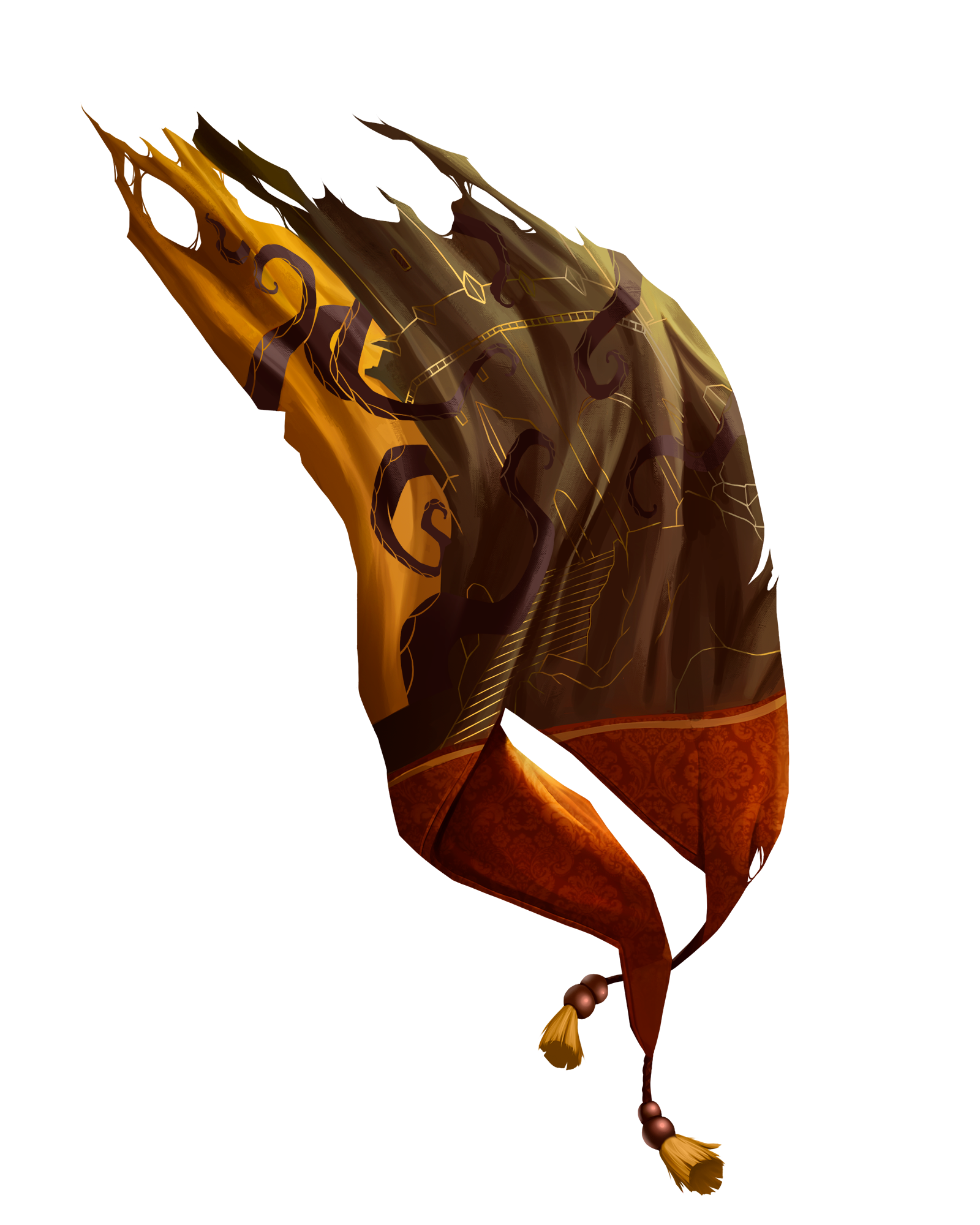
Varisian Scarves: Well known as entertainers with a flair for the dramatic, Varisians often employ seductive garb and entrancing props in their performances. Scarves of colorful cloth and transparent silk, or bearing elaborately embroidered scenes, are thus favorite accessories of the wandering folk. Aside from the mundane variety, though, clever Varisians have subtly repurposed these iconic tools for a variety of covert uses. The Rise of the Runelords Player's Guide features three types of modified scarves to aid Varisians in their adventures: bladed, pocketed, and reinforced.
Star of Desna: An ancient weapon favored by Varisian wanderers, this weapon has been adopted by the church of Desna as a second holy weapon. From a central metal ring, four tapering metal blades extend like points on a compass rose. Wielders can slash with the star or throw it like a less-aerodynamic chakram.
Excited yet? The above are just three of the twelve new Varisian items we'll be introducing in the Rise of the Runelords Player's Guide, which will be available in printed form for just two dollars and online for free at our website. For information on things like the earth breaker, barbarian chew, or ogre hook, you'll just have to stay tuned...
One of the biggest challenges when starting a new campaign is getting your players invested in the world. Sure, you may have set up the adventure and prepared all your notes, memorized your maps and picked out accents for the various local NPCs the party will meet... but what about your players? They can't exactly read the same source material you are without tripping over spoilers, and sitting down for a three-hour lecture about the local history and customs of their home region isn't most groups' idea of a fun first session. So how do you get that information across?
For Pathfinder, we've made it easy. Instead of all that hassle, you can just hand your players the Rise of the Runelords Player's Guide (which you get as a free bonus if you sign up as a charter subscriber before the first book ships in August) and let them go to town, entirely spoiler-free. What's more, each Adventure Path to come will have its own specific player's guide filled with information to help players get their bearings in the world and craft unique, interesting backstories for their characters... so much so that DMs will probably want to pick a copy up for themselves as well.
Inside the player's guide, you can expect to find:
Full-page maps and art of Sandpoint (the starting town from "Burnt Offerings") and Varisia (the whole region the Adventure Path takes place in), plus detailed write-ups on both.
World-specific information on the core races—the things that make elves, dwarves, and all the rest unique in Pathfinder and GameMastery Modules.
How to tailor the core classes to Varisia, and specifically to the Rise of the Runelords Adventure Path. Trying to decide which deity or favored enemy to pick? Unsure what your wizard's motivation to go adventuring is? This section's for you.
New world-specific feats.
New non-magical items and weapons popular in Varisia. (What the heck is a "star knife" or a "dogslicer," anyhow?)
Since this is one of the first detailed looks the public will be getting at Varisia and our campaign setting as a whole, all of the information in the player's guide will eventually be available online for free download in addition to the printed version. But after seeing the amount of art and information presented in this 16-page booklet, you might not want to wait... particularly since it's likely cheaper than any of the snacks at your gaming table (and free to subscribers).
Still not excited? Pathfinder editor and Adventure Path veteran Wes Schneider, who's writing the guide, kindly offered this preview quote which shows that, despite its mysterious monuments, rich adventure, and fierce independence, the land of Varisia isn't for everyone:
Savagery and regressivity epitomize the disfigured lands of Varisia. Jagged mountain chains break the worthless, dusty clay at queer and reckless lengths. Tangled forests grow wild with titan weeds—the flora of these fecund briars little more than tenacious brambles. Blasted reaches of cracked earth and rolling scrub form the parched paradises of all manner of backward savages, including the doomed final generations of humanity's brutish ancestors. And everywhere the land bears the scars of a forgotten people whose eroding ruins and savage attempts at artistry litter a landscape already scarred by its own geological leprosy. —Darvayne Gios Amprei, Merciless: Abendigo, Belkzen, Varisia, and Other Hells
Cover illustration for volume 2. Click to enlarge.
What's Pathfinder All About?
Thursday, April 19, 2007
By this time, you've probably heard all about Pathfinder, Paizo's brand-new Adventure Path series. (If you haven't, of course, you should drop whatever you're doing and go check out paizo.com/pathfinder.) Yet even now that you know what's going to be in Pathfinder, you're probably wondering what it's all about. The vision behind it. Where its heart's at. And to answer that, we've brought in James Jacobs, Pathfinder's Editor-in-Chief. Says James:
"Pathfinder's at once the most exciting and the scariest thing I've worked on here at Paizo. On one hand, it's a chance to dive headfirst into a brand-new world and craft a story from scratch for you to run your players through. And on the other… it's a chance to dive headfirst into a brand-new world and craft a story from scratch for you to run your players through. There's no convoluted canon or established game history to work around and make sure that we've got right, but that also means there's no awesome nostalgia or tradition to build off of. We have to start completely from scratch... right?
"Well, not quite. There are still an awful lot of classic monsters and other material we can use in the SRD. And while we can't really build directly off of established canon, we can certainly draw upon themes from the early days. We can also do the same thing that Gygax, Kuntz, Arneson, and the others did back at the game's dawning—we can draw upon real world myth. So as you read through Pathfinder's first Adventure Path and begin to uncover the sinister conspiracy that has driven the stone giants of the Storval Plateau to war, you might also see a few familiar names and themes from real-world myth popping up now and then, like Lamashtu, Baba Yaga, the seven deadly sins, and even Asmodeus.
Welcome to Varisia!
"The first step to building a new Adventure Path was a doozy, though For Pathfinder, we didn't have the luxury of a pre-existing game world to set our campaign in. Before I could even start writing the first adventure to Rise of the Runelords, I needed a world to set it in.
It all started with Erik Mona building up an enormous T-shaped map over the course of several sheets of graph paper. What he ended up with was several continents; way too much room for a single campaign. So I chose one relatively small (small as in "about the size of California") section of his map and started filling in the blanks. At the same time, the rest of the Pathfinder team—F. Wesley Schneider and James Sutter—and I began to work out the plotline for the inaugural Adventure Path: Rise of the Runelords. To a certain extent, the shape of this new region was dictated by the plot we came up with: we needed a mountain range to rival the Himalayas, a vast cliff face stretching hundreds of miles, and remnants from an ancient empire.
The result is the realm of Varisia.
During the course of Rise of the Runelords, we'll visit six major locations on the map of Varisia, including two cities, two legendary mountains, a fortress of giants, and a lost city. Yet those account for only six dots on a map—at current count, Varisia's got approximately 40 locations (including cities like lawless Riddleport and ruins like sinister Brinewall) and 20 sub-regions (including the inhospitable Mushfens, haunted Ashwood, and the giant-ruled Storval Plateau) waiting to be explored. Some of these might get some exposure in Rise of the Runelords, others will be the focus of GameMastery modules, and some are destined to be the stars of future Pathfinder Adventure Paths. But the point isn't to build just what we need for the next few Paizo releases—there's enough adventure in Varisia to set dozens of campaigns.
"Over the next several days, I'll be revealing more about Varisia, Rise of the Runelords, and other exciting developments on the Pathfinder front here on this blog. Want a taste? Then check out these notes I've jotted down for one of those mysterious locations on the regional map of Varisia—the remote island of Chorak's Rest.
Chorak's Rest
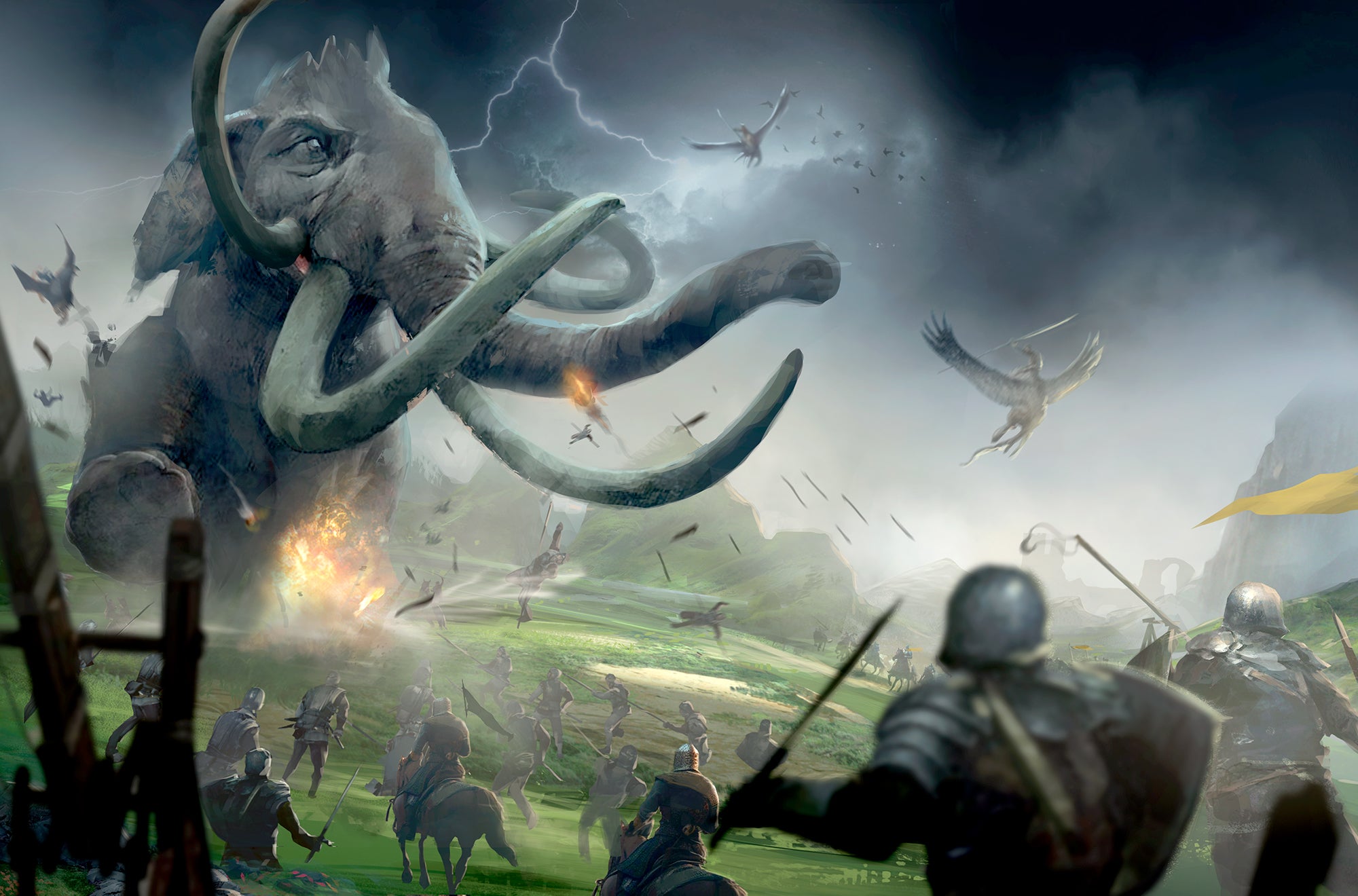
Although the Varisians have no name for this tiny and remote island, the giants of the Gnasher Mountains do. They call the place Chorak's Rest, after the legendary warlord said to be buried in a great tomb there. The giants of the Storval Plateau were not always the barbarians they are today; this much is obvious from even a brief perusal of the texts stored in the History Wing of the Great Library of Magnimar. Yet the giants of Chorak's Rest seem to have retained more of the old ways than their brutish cousins in the Gnashers. Whispers hint that these island giants are the descendants of King Chorak's honor guard, and that they've remained guardians for the past several centuries, preventing approach to the island by giant and human alike. Boats attempting to land on the island are quickly bombarded with boulders and spears, and aerial approaches are shot down with massive ballista bolts carved with strange runes or blasted from the sky by bolts of lightning. Yet for all these defenses, none have approached close enough to determine what, exactly, is behind this prodigious defense. What awaits the lucky (unlucky?) souls who finally manage to reach the island's shores is unknown, but many treasure seekers are sure it would be well worth the trouble.
For daily news breaks, sneak previews, and behind-the-scenes insight into Pathfinder, the GameMastery product line, and other Paizo projects, stay tuned to this blog!