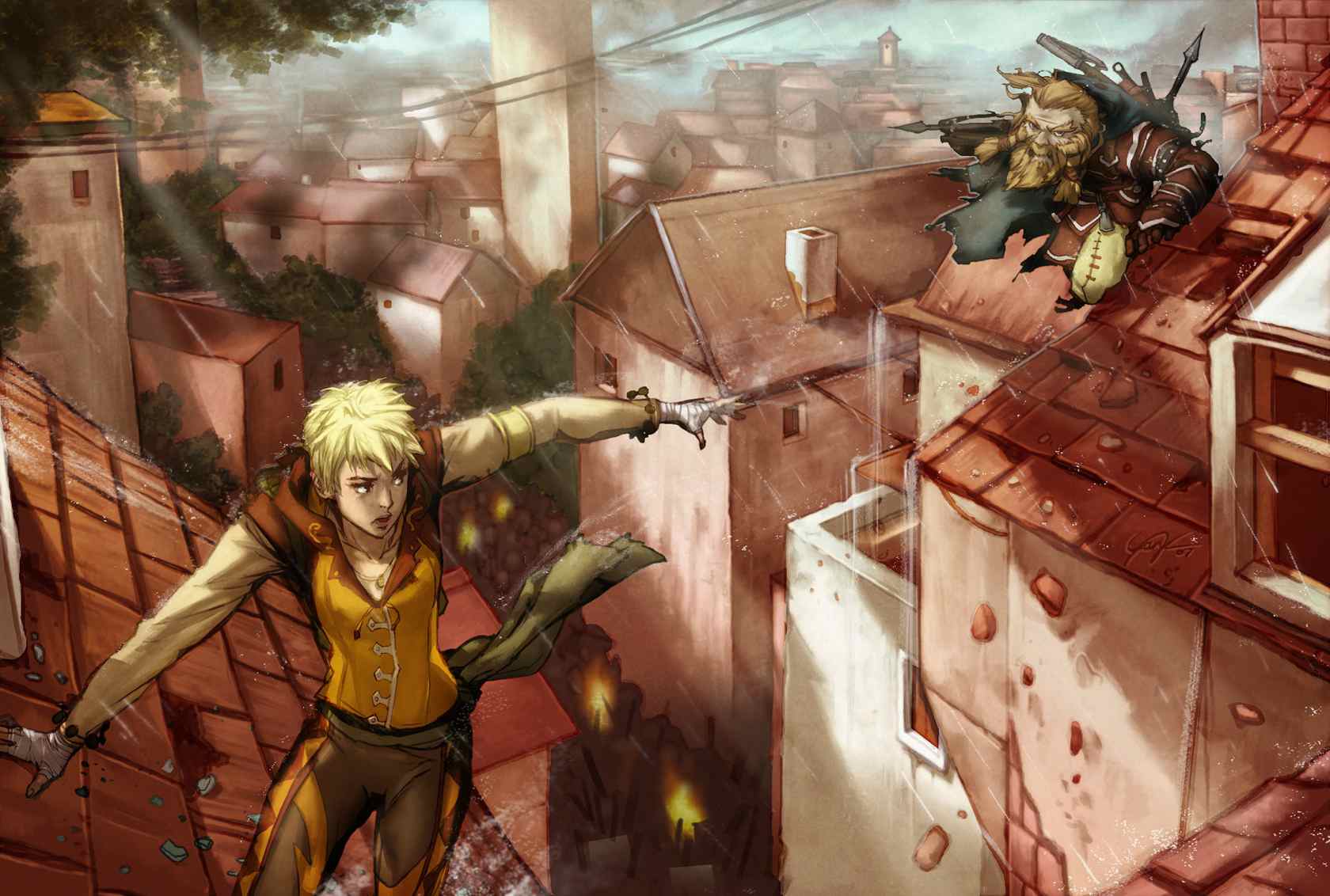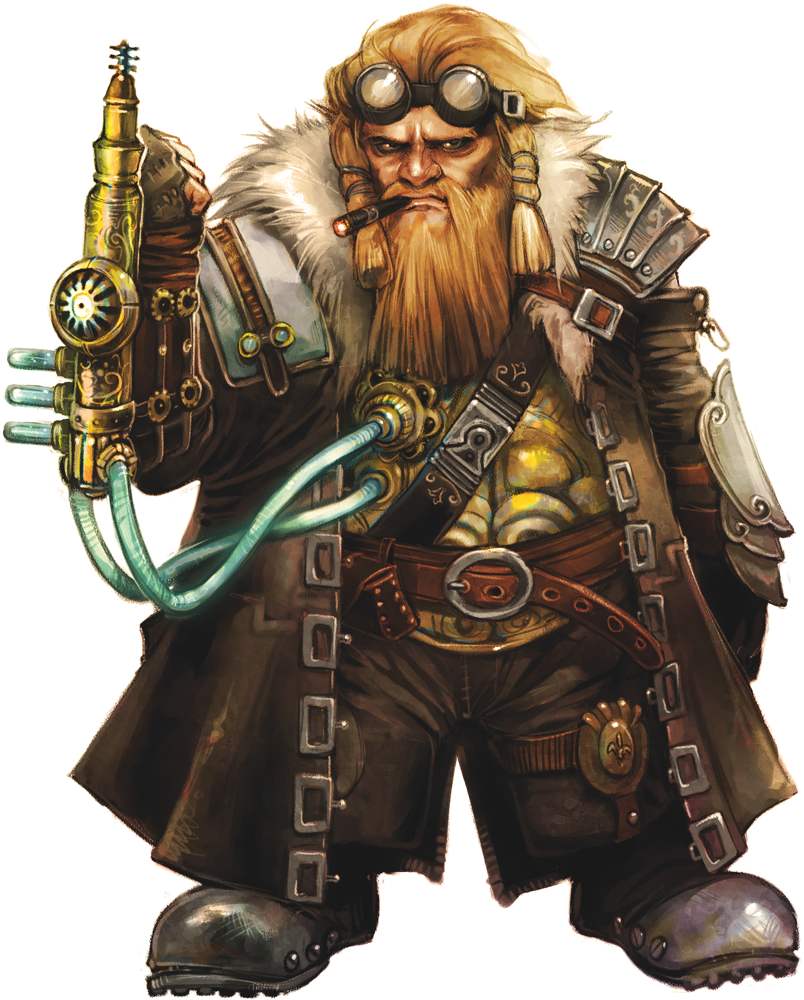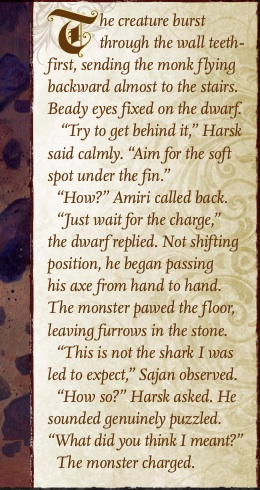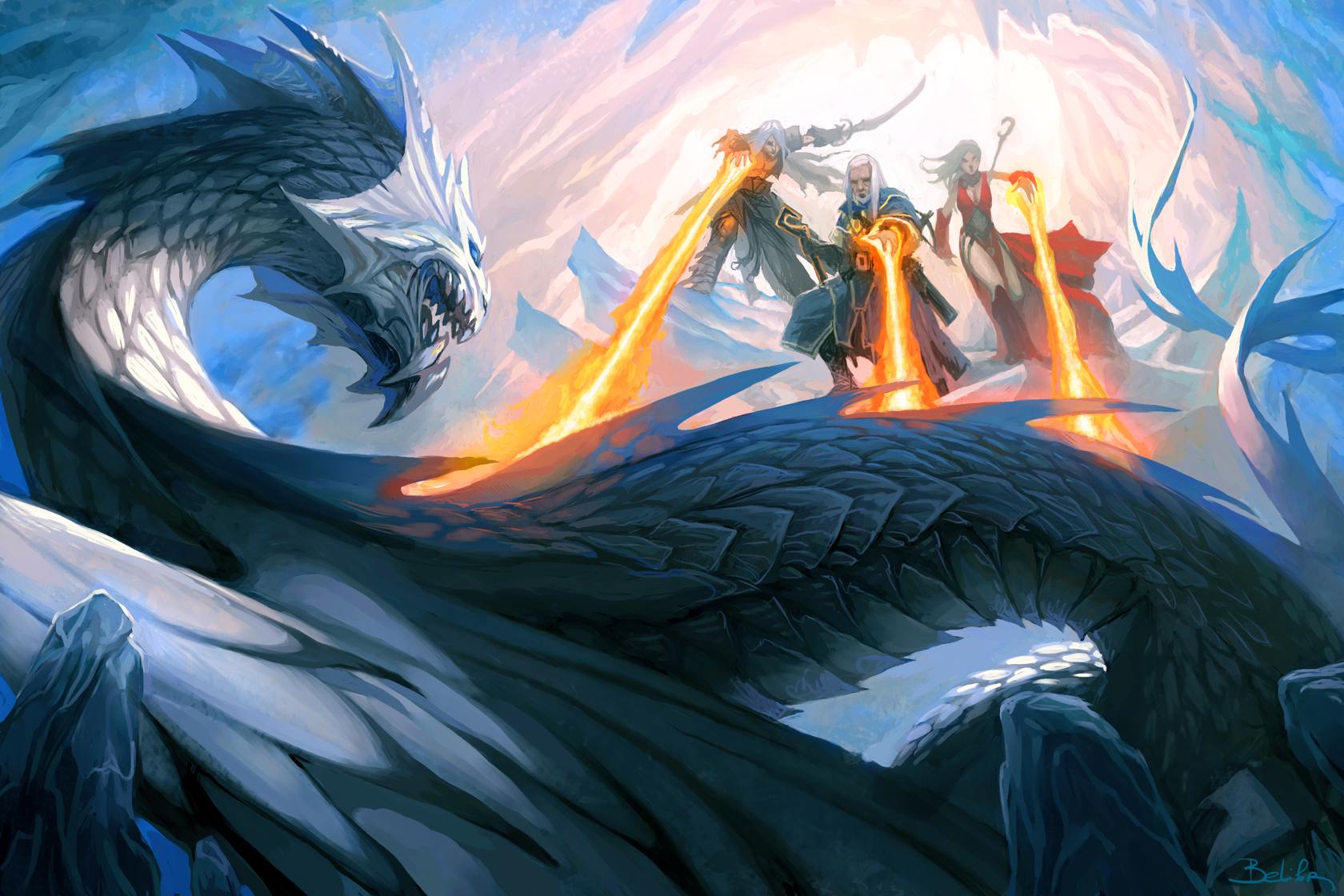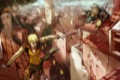
Design Tuesday: Fun with Terrain—First Things First... Illustration by Kevin Yan ... Design Tuesday: Fun with Terrain Tuesday, March 1, 2011When designing an encounter, it's tempting to focus the majority of your attention on the mix of monsters and villains. After all, coming up with interesting enemy synergies and evocative scenes of terror, threat, and evil-doing go a long way in making encounters both memorable and fun. Often neglected, though, is making sure that the setting you place these bad guys in offers both threat and opportunity...Tags: Design Tuesdays Dwarves Game Mastering Harsk Iconics Kevin Yan Pathfinder Roleplaying Game Rangers Terrain Wallpapers 
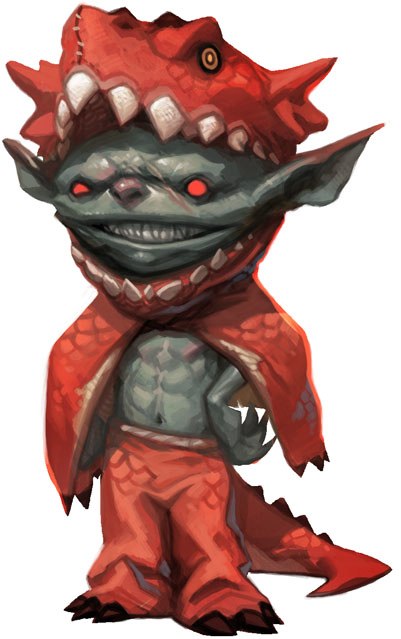
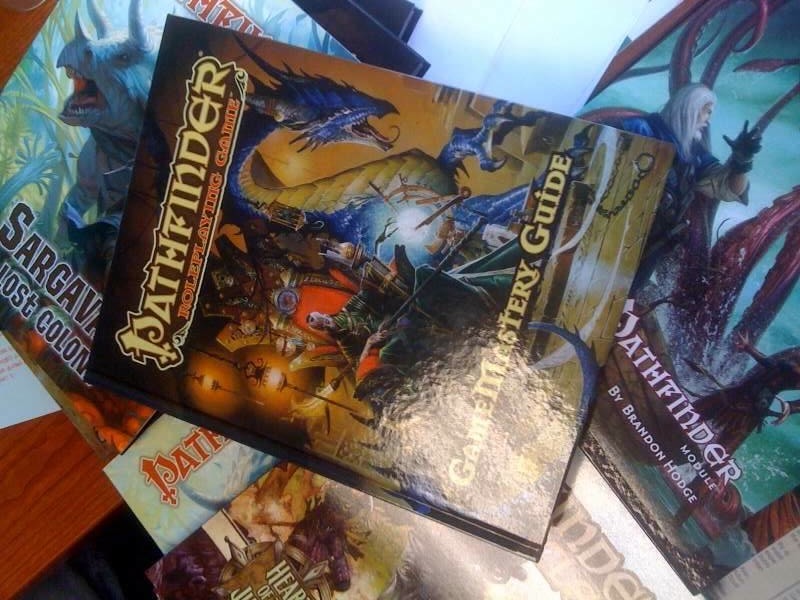
GameMastery Guide Preview: It's Here!... GameMastery Guide Preview: It's Here! Thursday, June 17, 2010 ... Illustration by Andrew Hou ... As I write this Cosmo is standing in our warehouse, shin deep in packing Styrofoam, yelling about peanuts to anyone who passes by. Such strangeness might be chalked up to the daunting nature of his task—though it is hard to tell with Cos—as he's surrounded by huge walls of boxes filled with books. Guides, of a sort. GameMastery Guides, even. Which he's helping to ship out right now....Tags: Andrew Hou Dragons Game Mastering Goblins Kobolds Monsters Pathfinder Roleplaying Game 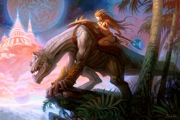
GameMastery Guide Preview: More Art!... Illustration by Alex Aparin ... GameMastery Guide Preview: More Art! Friday, June 4, 2010To celebrate the return of our globetrotting senior art directorix, this week's preview takes another look between the words of the GameMastery Guide at more awesome art! Welcome back, Sarah! ... Illustration by Christopher BurdettIllustration by Eva Widermann ... Next week, the wait's almost over, so it's time for the penultimate GameMastery Guide preview! ... Wes Schneider ... Managing Editor ...Tags: Alex Aparin Castrovel Christopher Burdett Eva Widermann Game Mastering Monsters Pathfinder Roleplaying Game Wallpapers Witchwyrds 
GameMastery Guide Preview: Do it Yourself!... GameMastery Guide Preview: Do it Yourself! Friday, May 28, 2010I'm really fond of all of Pathfinder's Adventure Paths. Being able to pick out my ideas, or having art for villains or creatures I invented, or hearing about how players contended with challenges we came up with all does my inner GM proud. But although we encourage every GM to tinker and make any of our published adventures theirs, there's a rich sense of satisfaction in knowing that your players have enjoyed the story you...Tags: Game Mastering Pathfinder Roleplaying Game 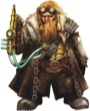
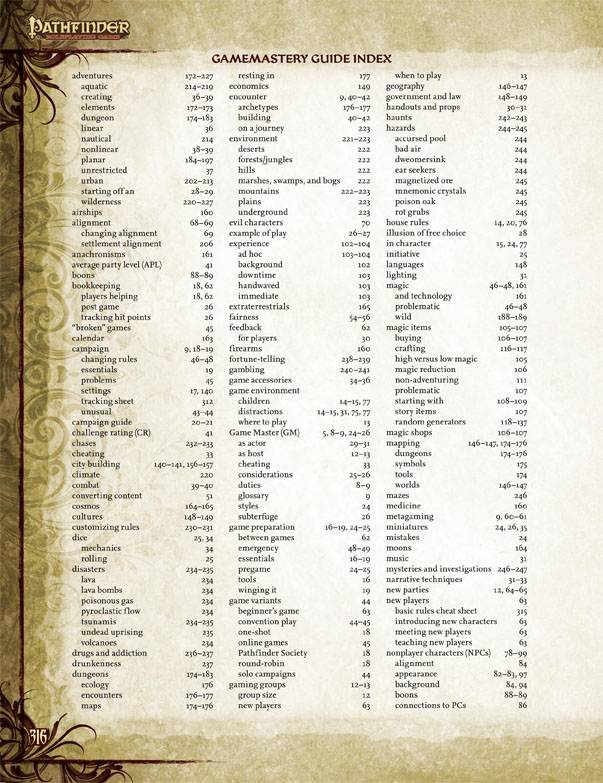
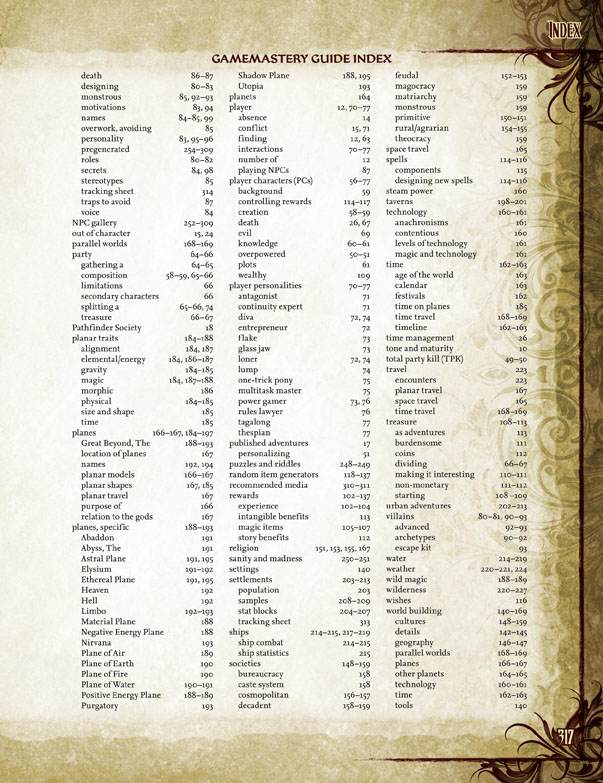
GameMastery Guide Preview: Things Get Weird!... GameMastery Guide Preview: Things Get Weird! Friday, May 21, 2010 ... Let me let you in on one of the guiding philosophies of the GameMastery Guide. We didn’t make this book to let you run my game, or a “Paizo-brand” game, or any sort of game anyone here thinks you should run. We created the GameMastery Guide to give you the tools you need to run your game the way you want. For example, let me note a few entries in the index: Airships; Evil Characters; Extraterrestrials; Gambling;...Tags: Amiri Anti-Paladins Barbarians Dwarves Eva Widermann Florian Stitz Game Mastering Harsk Iconics Pathfinder Roleplaying Game Rangers Seelah 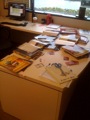
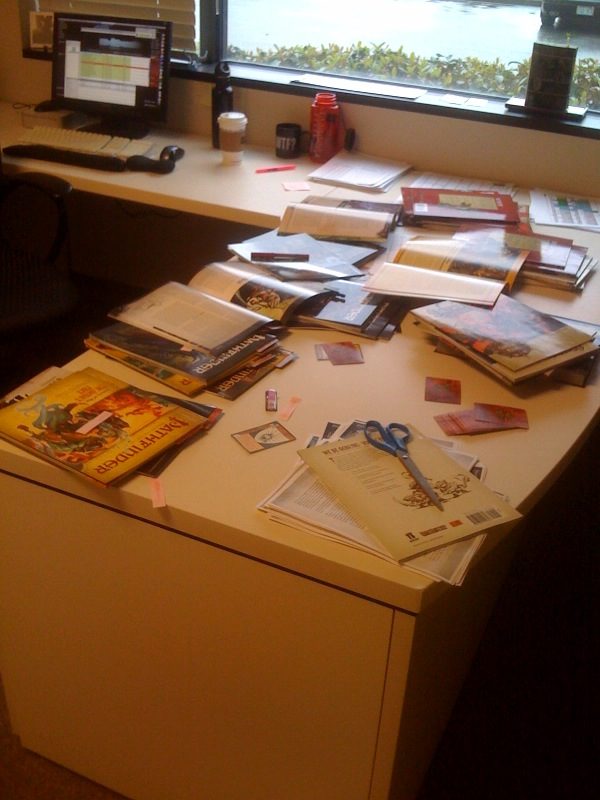
This Week at PaizoThis Week at Paizo Friday, May 7, 2010It's been a busy week at Paizo... and we're not done yet. ... Sean The 'K' is for Konfident Reynolds reassures me of what he already knows.My desk midweek: ground zero for much chaos. (To answer the inevitable question here: Yes, I use them as bookmarks.) ... It may drive us crazy, but putting out so many products does make for some pretty awesome hauls. ... F. Wesley Schneider ... Managing Editor ...Tags: Azlant Game Mastering Mwangi Expanse Paizo Pathfinder Modules Pathfinder Player Companion Pathfinder Roleplaying Game Sean K Reynolds 
The GameMastery Countdown Begins!... The GameMastery Countdown Begins! Friday, April 30, 2009In just about a month (give or take a week or so), the thousands of pages we set free into the wild promise to return to us in shiny blue binding as the complete GameMastery Guide. In the weeks leading up to the GMG's release we'll be previewing some of that tome's coolest and most innovative aspects right here on the blog. What to kick things off with ended up being a real tricky decision, though. So rather than focus on any one...Tags: Amiri Barbarians Bulettes Christopher Burdett Dragons Dwarves Game Mastering Harsk Iconics Monks Monsters Pathfinder Roleplaying Game Rangers Sajan 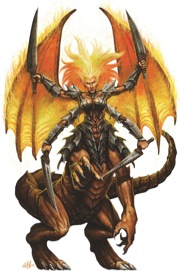
Planes: Anything but Plain... Planes: Anything but Plain Wednesday, April 21, 2010Having finished hacking away at the random encounter tables for the GameMastery Guide some time ago, I was recently set to work doing the same kind of thing for the Bestiary II. This time, however, instead of providing GMs with random encounters based on a plane's alignment, I got to make a separate table for each individual plane in the Great Beyond, Golarion's cosmos. ... This is pretty exciting, because not only do these new tables...Tags: Christopher Burdett Elementals Game Mastering The Great Beyond Monsters Pathfinder Roleplaying Game 
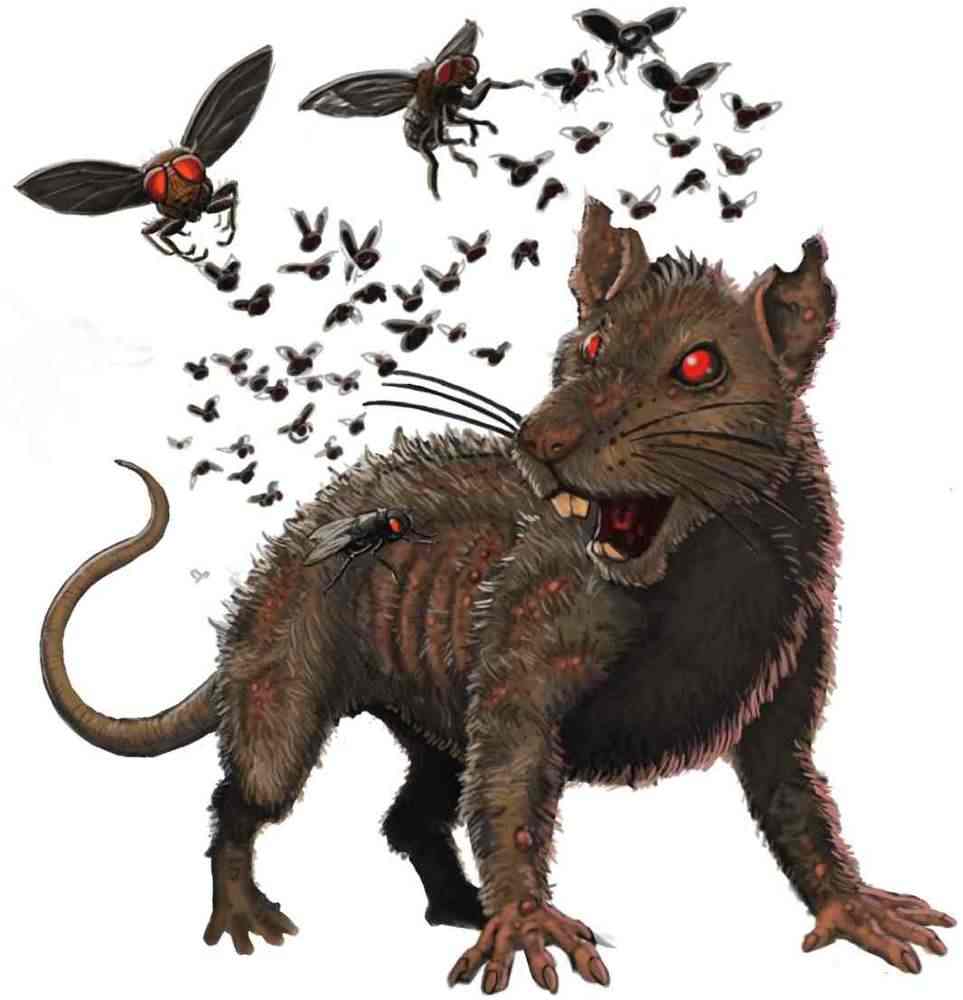
It's Alive! And It's in My Head!!... It's Alive! And It's in My Head!! Monday, April 12, 2010Words aren't supposed to float like this, bobbing in this slow, mildly nauseating way before my watering eyes. This sucks. And if you were at Norwescon this past weekend, I blame you. Con crud: it happens every time we go to a convention—and this time I didn't even go! ... My office quarantine makes me but one gross cog in a large, messily predictable, sick-machine. Every 3 minutes Jason, through the wall to my left, coughs...Tags: Animals Conventions Game Mastering Jeff Carlisle Monsters Norwescon Paizo Pathfinder Roleplaying Game Vermin 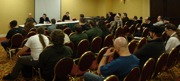
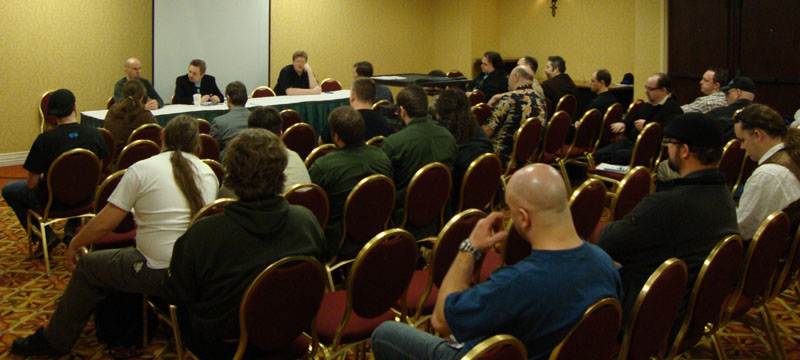
Norwescon 33 Quick Recap...... Norwescon 33 Quick Recap... Tuesday, April 6, 2010This past weekend was Norwescon 33, a fantasy/SF convention near Seattle, Washington. In recent years it's started to pick up some RPG momentum (thanks to the tireless efforts of Tim Nightengale, founder of PaizoCon), and we had several Paizo staffers attend to talk about fiction and gaming (including a most awesome two-hour workshop about learning how to paint miniatures). In addition to the many people dressed in steampunk, fantasy, BSG,...Tags: Conventions Game Mastering Monsters Norwescon Paizo Pathfinder Society 
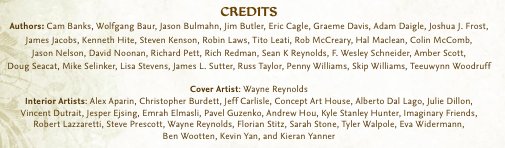
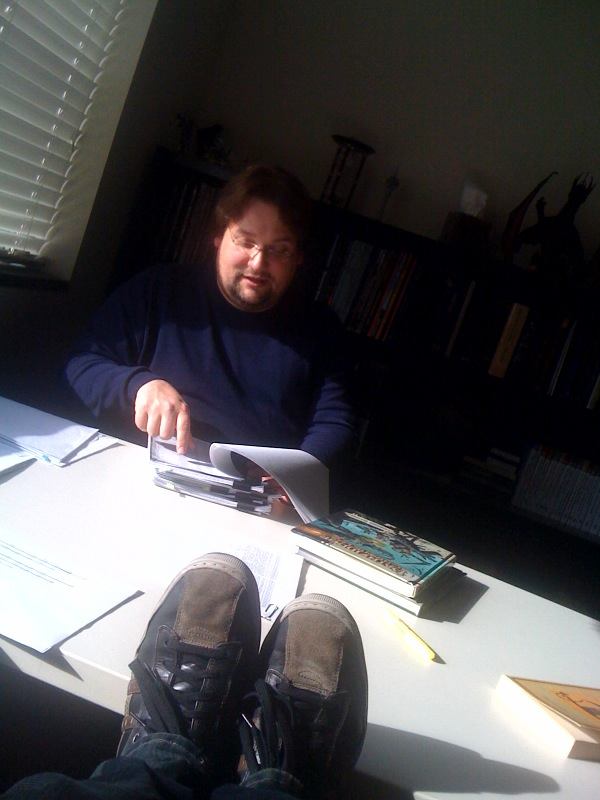
Final Moments of the GameMastery Guide... Final Moments of the GameMastery Guide Tuesday, March 30, 2010At long last the GameMastery Guide has left the building. Turns out these big books take an incredible amount of work and cause a good deal of sanity damage, but after finally flipping through the color proofs, it looks absolutely incredible. In the coming weeks leading up to this monster's release we'll be showing off some of the coolest parts, but for now, take a look at a few shots from the GMG's final days of development....Tags: Game Mastering Pathfinder Roleplaying Game 
Official Call for PaizoCon and Gen Con Volunteers!... Official Call for PaizoCon and Gen Con Volunteers! Friday, March 19, 2010Hello! ... This is the official call for volunteer GMs and assistants to help Paizo Publishing run events at PaizoCon 2010 and Gen Con 2010. (If you're looking for the Origins Game Fair volunteer thread, click here.) ... Paizo Con 2010For Paizo Con 2010, I need a minimum of 20 volunteer GMs for Pathfinder Society Organized Play and I'll keep taking volunteers until the slots are full! Below you will find the reward...Tags: Community Conventions Game Mastering Gen Con Paizo PaizoCon Pathfinder Society 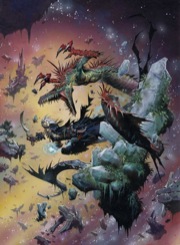
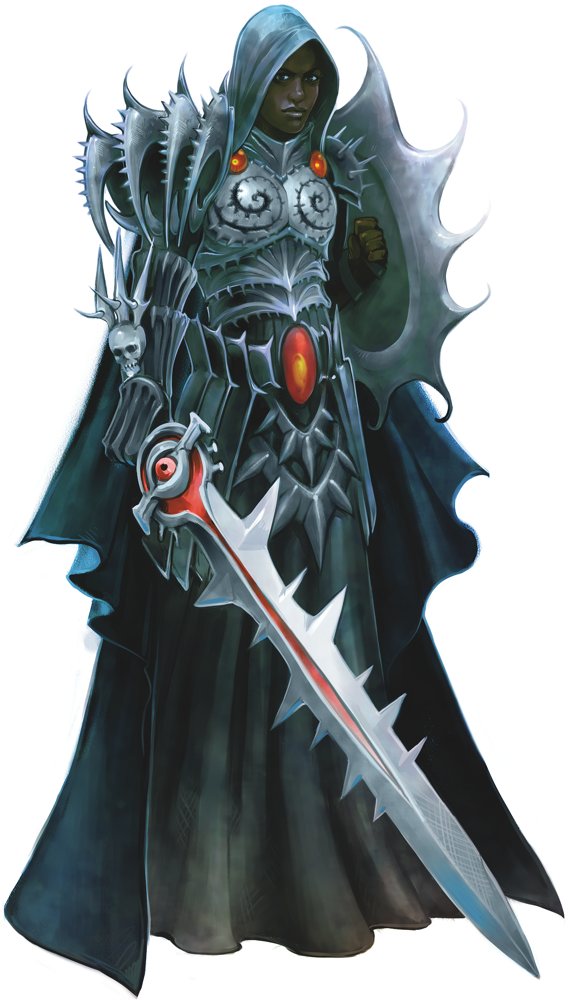
Making the Scene... Making the Scene Tuesday, March 9, 2010One of the neat peripheral elements of the GameMastery Guide—aside from 300+ pages of hardcore GM focused tools and rules—are new chapter openers. You know, the big pictures with the little stories next to them that start every section of the Pathfinder RPG Core Rulebook. Those. Our own Fiction Editor James Sutter is tackling these, and there's something really cool about finally getting a bit of a story to go along with some of the...Tags: Game Mastering Iconics Monsters Pathfinder Roleplaying Game Prestige Classes Proteans Seltyiel Wayne Reynolds 
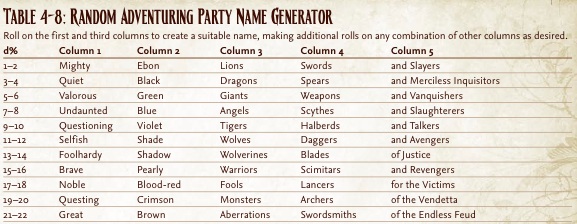
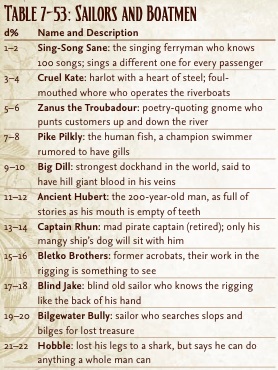
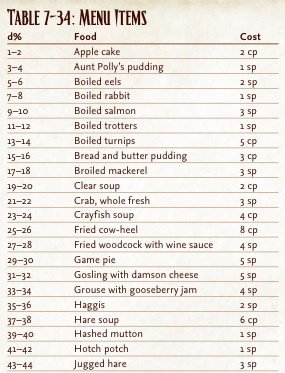
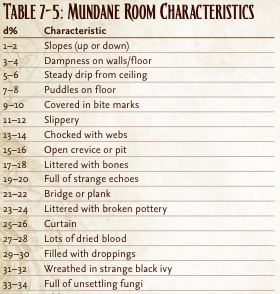
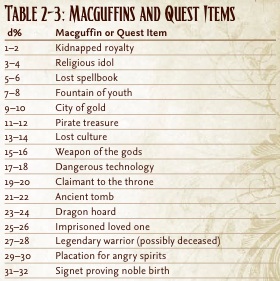
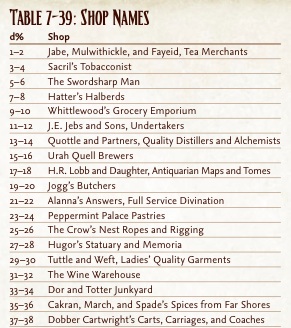
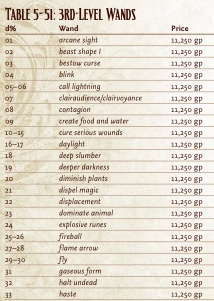
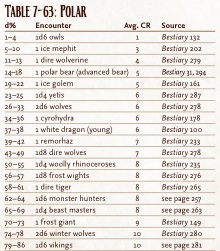
Tables; Roleplaying; Metal... Illustration by Kieran Yanner ... Tables; Roleplaying; Metal Thursday, March 4, 2010 One of my first duties at Paizo was to create some random encounter tables for the GameMastery Guide. It took more than three workdays, and by the end of the process I was seeing tables in my sleep. It was a little bit like the first time you play Guitar Hero, and you look away from the screen and think the world is scrolling up for a couple seconds. Except with tables. But, I'm done with that, so that's...Tags: Game Mastering Kieran Yanner Monsters Pathfinder Roleplaying Game Wallpapers Winter 2010 Releases: An Early Look!... Winter 2010 Releases: An Early Look! Thursday, February 18, 2010This week Paizo posted new product descriptions for dozens of products to be released in the third trimester of 2010, including new hardcover books, a revision of the Pathfinder Campaign Setting, and a brand new line of Pathfinder novels! ... We've been hard at work on these items for months, and even though you'll have to wait until at least September before they hit your game table, we're thrilled to finally be able to...Tags: Cards Dave Gross Elaine Cunningham Game Mastering GameMastery Halflings Irrisen Kaer Maga Maps Monsters Pathfinder Adventure Path Pathfinder Campaign Setting Pathfinder Modules Pathfinder Roleplaying Game Pathfinder Tales Prince of Wolves River Kingdoms Serpent's Skull Winter Witch 
The New Guy... Illustration by Patrick Renie ... The New Guy Tuesday, February 16, 2010Well, Friday was my first day as the new Editorial Intern at Paizo, and I must say I'm not disappointed. ... One of the first things I noticed in the office was that everyone spoke like a GM at all times, talking about drawing up maps and discussing the finer points of the gnomes of Golarion. It's awesome. Being the only Pathfinder GM in my group back home, my players often don't understand the work that goes into...Tags: Game Mastering Interns Paizo Patrick Renie 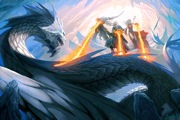
One for the GMs... Illustration by Alex Aparin ... One for the GMs Thursday, February 11, 2010My day... week... life as of late has pretty much been dominated by putting the final (-ish) touches on our next big hardcover, the GameMastery Guide. It's at that weird and exciting point right now where it's making that transition between a maddening number of .doc files and something at actually looks like a book. So between the dozens of tables, charts, stats, and hundreds of pages of advice, some pretty...Tags: Alex Aparin Dragons Ezren Game Mastering Iconics Monsters Pathfinder Roleplaying Game Prestige Classes Seltyiel Seoni Sorcerers Wallpapers Wizards 
GM Guide Spoilers!... Illustration by Tyler Clark ... GM Guide Spoilers! Tuesday, January 12, 2010As editorial intern, it's sometimes my job to oversee the first formatting/editing/obvious-problem-catching pass on certain items, one of which is chapter nine of the GameMastery Guide! Woo! Super exciting. As a brief introduction, it includes a large number of common NPC stat blocks of various levels and classes meant to accommodate an unpredictable player group or campaign. When your players decide that the...Tags: Game Mastering Monsters Orcs Pathfinder Roleplaying Game Tyler Clark 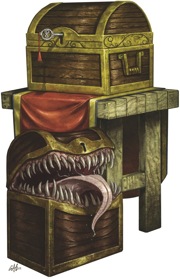
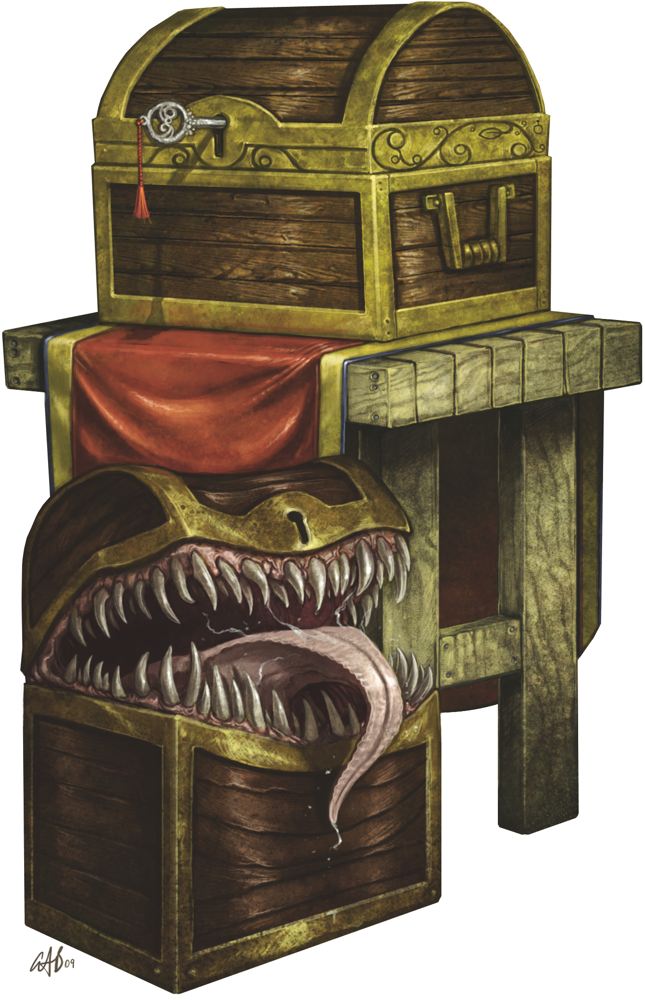
The Game Is Afoot... Illustration by Christopher Burdett ... The Game Is Afoot Friday, December 8, 2009I know it's been a while—whole months in fact—since we dropped a huge hardback tome on you all, but rest assured, we've got more in the works! Right now, on top of all the usual Pathfinder swag you've come to expect from month to month, we're also working away on our third huge tome, the GameMastery Guide. Meant to be the go-to source for Game Masters of all stripes and skill levels, the...Tags: Christopher Burdett Game Mastering Mimics Monsters Pathfinder Roleplaying Game 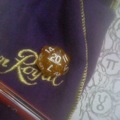
Ask a Pro: Question Seven... Ask a Pro: Question Seven Thursday, July 9, 20097. You are running an Adventure Path, and one of your players is ignoring the obvious hook. Do you gently nudge him in the planned direction, or do you go with the flow and see where this digression might take you? ... Lisa Stevens: Basically I try to nudge, or I may come up with a different hook. For example, in Shackled City, there is an adventure where the players need to be convinced to go to an evil plane, and I just knew the hook as...Tags: Ask a Pro Game Mastering Interviews 
Ask a Pro: Question Six... Ask a Pro: Question Six Thursday, June 25, 20096. Many GMs feel that deus ex machina is cheap, and simply refuse to ever use it. Others feel it is okay if it is properly set up ahead of time. Do you ever use deus ex machina as a storytelling device? ... Lisa Stevens: Yeah, but hopefully they didn't know it! (laughs) I think that's the trick for something like that though, right? If you're playing the hand of god, you need to make it feel like a natural part of the story. I think probably...Tags: Ask a Pro Game Mastering Interviews 
Ask a Pro: Question Five... Ask a Pro: Question Five Monday, June 22, 2009 5. You have a scene where a large orc tribe is attacking a village. You have all of the orcs and various NPCs represented on the map. Do you roll for each and every orc and NPC, or do you, in the interest of saving time, just decide how many of each side dies each round? ... Lisa Stevens: Usually the background, especially if it's a bunch of no-named NPCs. But if it's a bunch of NPCs that maybe they know and had invested a little time with,...Tags: Ask a Pro Game Mastering Interviews 
Ask a Pro: Question Four... Ask a Pro: Question Four Monday, June 8, 20094. You have been playing a campaign for many months, and your group suffers a TPK. Do you fudge the rolls, contrive a reason for them to be brought back, have them create new characters and pick up where the others left off, or just scrap the campaign? ... Lisa Stevens: I've never had a TPK; it's been close! (laughs) I'm a big believer in creating and building a campaign over time. I've had key NPCs die and had to completely reinvent the story,...Tags: Ask a Pro Game Mastering Interviews 
Ask a Pro: Question Three... Ask a Pro: Question Three Friday, June 5, 20093. Do you encourage your players to create well-thought-out backgrounds complete with hooks that you can insert into your campaign? ... Lisa Stevens: I do, but don't reward. I basically tell my players that if they come up with interesting backgrounds, then they'll get more out of my campaign; it will be more personal for them, as I'll take their hooks and use them in the plot. If you don't create a background, then you'll still have fun, but...Tags: Ask a Pro Game Mastering Interviews 
Ask a Pro: Question Two... Ask a Pro: Question Two Tuesday, June 2, 2009We continue our Ask a Pro series with what is either the most important part of NPC interaction or the silliest part of a roleplaying game, depending with whom you speak. ... 2. When delivering the lines of NPCs, do you prefer in-character or third person? ... Lisa Stevens: In character. ... F. Wesley Schneider: Depends... Important, named characters usually have a voice of their own, but if someone is just going to the blacksmith for a quick...Tags: Ask a Pro Game Mastering Interviews 
Ask a Pro: Question One... Ask a Pro: Question One Friday, May 22, 2009After I started my internship at Paizo, one of the things I found really intriguing was seeing how the pros did things—little things, really, like how they pronounce tarrasque, for example. Then it occurred to me that most people who roleplay often never experience anything outside of their own group of players, so I figured maybe some of you might be as interested as I am in knowing how the pros GM, so I whipped up some questions for the...Tags: Ask a Pro Game Mastering Interviews |