Literary Monsters of Bestiary 6
Thursday, April 27, 2017
For this last Bestiary 6 post (the book officially released yesterday, so I can't really call it a preview post!), I want to build upon last week's post, where I talked a bit about monsters from mythological sources. In this case, since these creatures aren't protected by copyright law and aren't the intellectual property of content creators, the field is wide open—we can create specific creatures based on these things in the same way we can stat up things like donkeys and rats. But there's another category of inspiration that we often draw upon that's a bit trickier—literary sources.
In this case, we've either opted for simply taking inspiration for a monster and making up something entirely new, but that's not exactly what I want to highlight here. When we look at older stories that are now in the public domain, there are a huge number of interesting creatures we can "import" into Pathfinder. We've been doing this in every Bestiary, from the first one (which has H. G. Wells's morlocks and Lovecraft's shoggoths for example) on. That doesn't change in Bestiary 6.
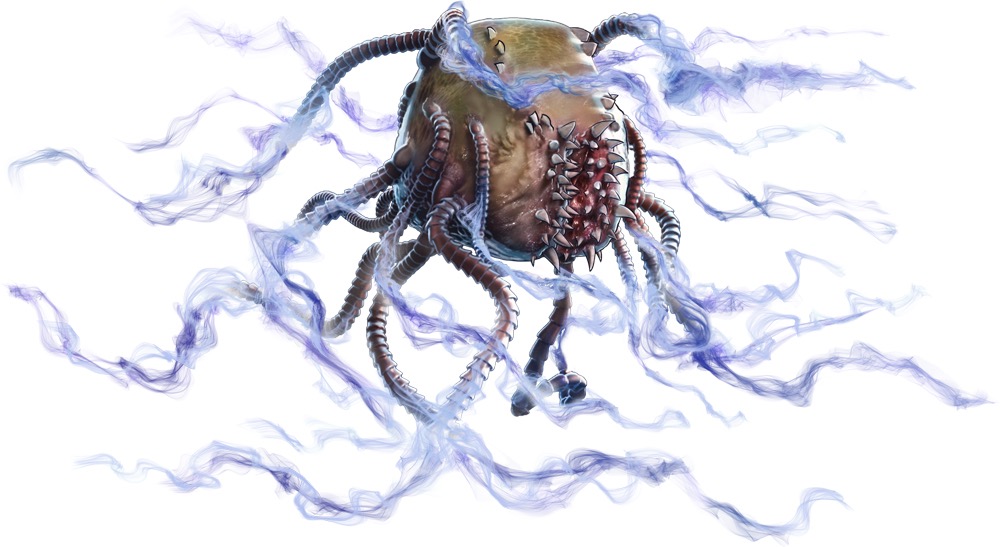
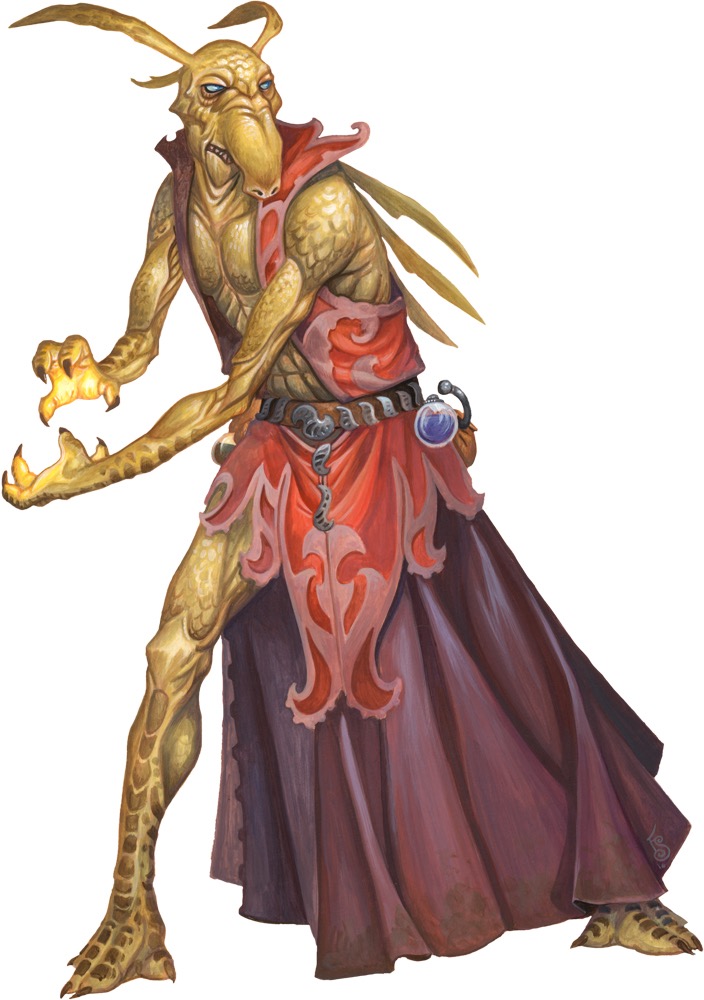
Of course, since I was the one picking the monsters, it should come as no surprise that my favorite author, Lovecraft, has some strong representation here. In some cases, the monsters picked up from his stories are specific creatures he took time to describe and explore (such as the yaddithian and the Great Old Ones). In other cases, they're creatures he wrote entire stories about but never really named, so I came up with specific names for them (the Leng hound, from his short story "The Hound", and the unrisen, the lively awful remnants from "The Case of Charles Dexter Ward"). And in one case, they were just name drops with only a few words of tantalizing description—the urhag is a throwaway reference in "The Dream Quest of Unknown Kadath" where they're described as things flying in the sky along with bats in a creepy corner of the Dreamlands. In this case, other than "they fly" we were able to create an entirely new monster to provide context for the creature.
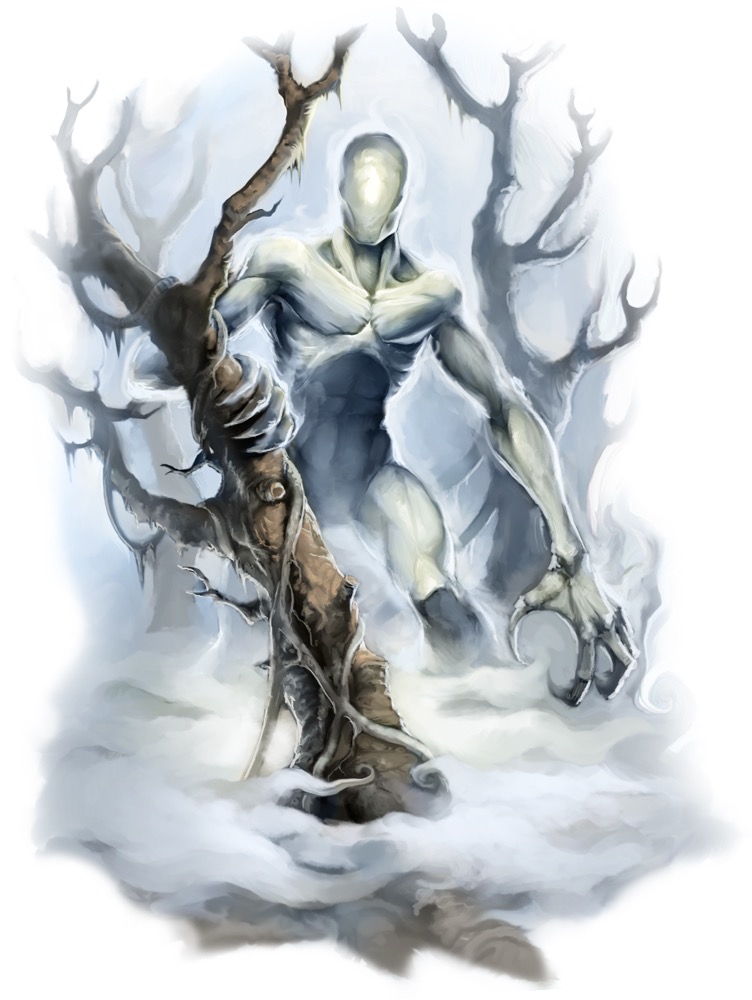
But Lovecraft wasn't my only source of literary inspiration. Like the urhag, the whisperer is never mentioned by name in the story that inspired it, but those who have read Algernon Blackwood's "The Willows" (one of my all-time favorite stories) will recognize its themes and the weird wounds its touch causes in flesh, I hope. The other, the horla, is the opposite—a creature that not only heavily features in Guy de Maupassant's story, but gives that story its name: "The Horla." The fact that the horla is invisible in the story gave us some leeway in creating its appearance for those who insist on using methods like see invisibility to peer into the unknown, but its creepy abilities to feed on slumbering victims and secretly drive them to murder and insanity are right out of the pages of the tale. I've actually been trying to get the horla into print as far back as Bestiary 2, so I'm glad the critter finally gets to see the light of day!


Illustrations by Rafael Rivera, Will O'Brien, and Florian Stitz
James Jacobs
Creative Director
We have updated our Privacy Policy.
Paizo.com uses cookies. You can block paizo.com from using cookies within your browser settings, but doing so will hinder site functionality.
More information can be found in our Privacy Policy.